
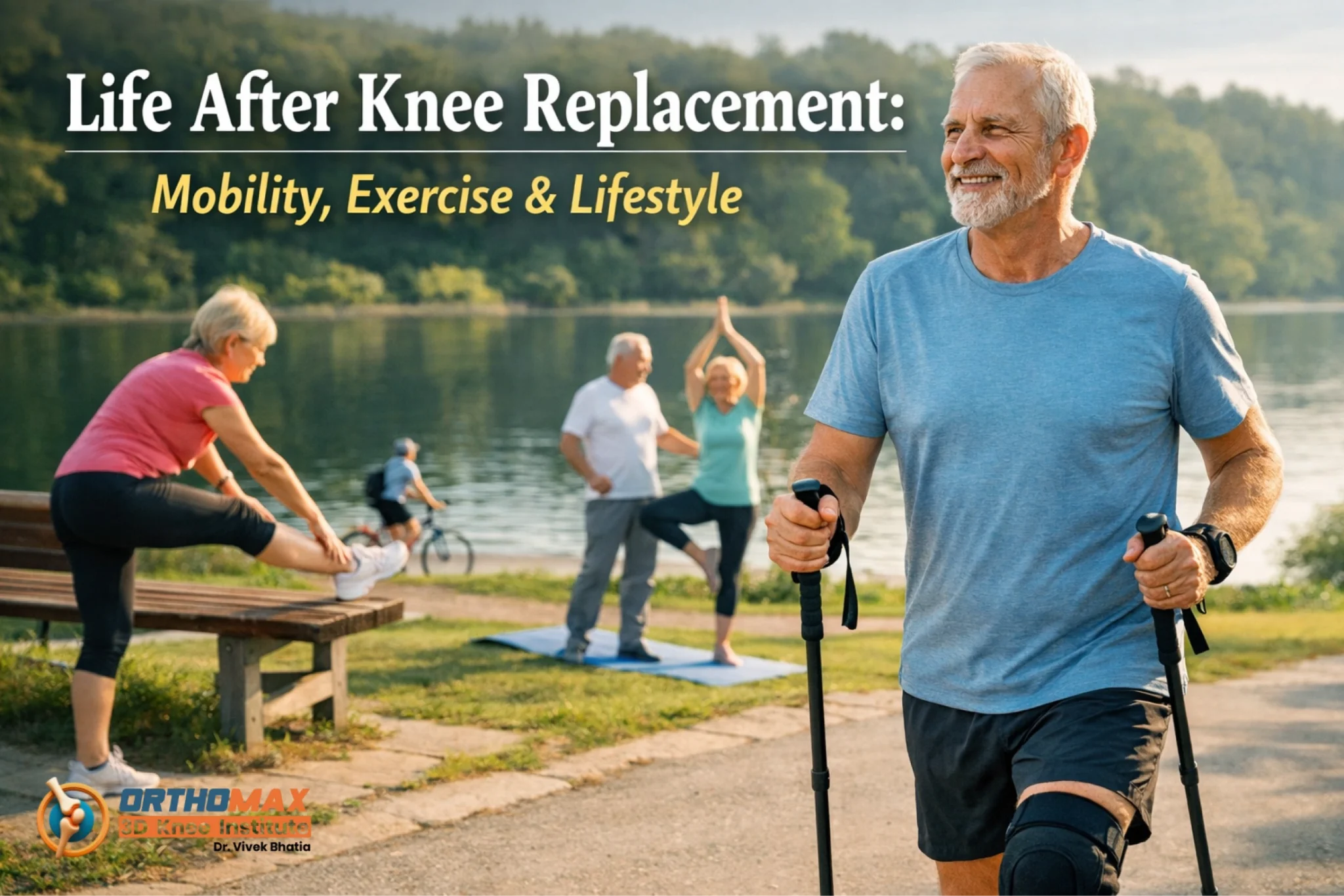
Life After Knee Replacement: Mobility, Exercise & Lifestyle
Recovering and adjusting to life after knee replacement surgery can feel overwhelming at first. Many patients worry about how long recovery will take, when they can walk normally again, and what activities they will be able to do in the future. The good news is that with the right rehabilitation plan, exercise routine, and lifestyle adjustments, most people regain mobility and significantly improve their quality of life.
In fact, research shows that more than 90% of knee replacement patients experience significant pain relief and improved mobility within a year of surgery. Understanding what to expect during recovery and how to care for your knee properly can make a major difference in how quickly you return to normal daily activities.
This guide explains everything you need to know about life after knee replacement surgery, including recovery timeline, exercises, mobility tips, and lifestyle changes that help protect your new joint.
Understanding Knee Replacement Recovery Time
One of the most common questions patients ask is about knee replacement recovery time. While recovery varies for every individual, most people follow a general timeline.
Typical Recovery Timeline
Week 1–3
- Walking with a walker or crutches
- Beginning physical therapy exercises
- Managing swelling and pain
Week 4–6
- Increased walking ability
- Reduced pain and stiffness
- Improved knee bending and flexibility
Month 3
- Walking without support in many cases
- Performing most daily activities
- Returning to light work
6–12 Months
- Full recovery and improved joint strength
- Participation in low-impact sports
- Long-term joint stability
According to orthopedic studies, over 85% of patients regain functional mobility within 3 months, although full healing continues for up to a year.
Understanding the expected knee replacement recovery time helps patients stay patient and consistent with rehabilitation.
Mobility After Knee Replacement Surgery
Regaining movement and independence is one of the biggest goals in life after knee replacement surgery. The artificial knee joint is designed to restore normal movement and reduce pain caused by arthritis or injury.
Early Mobility Goals
Doctors encourage patients to begin moving the knee within 24 hours after surgery. Early mobility helps:
- Prevent blood clots
- Improve circulation
- Strengthen surrounding muscles
- Reduce stiffness
Tips to Improve Mobility
Patients can improve movement during life after knee replacement surgery by following these strategies:
- Follow a structured physiotherapy program
Professional physiotherapy is crucial for strengthening muscles around the knee. - Walk regularly
Short daily walks help rebuild confidence and improve joint flexibility. - Maintain a healthy weight
Excess weight puts pressure on the artificial joint and may slow recovery. - Use support when needed
Walkers and canes provide stability during early knee replacement recovery time.
With consistent rehabilitation, many patients return to independent walking within a few weeks.
Best Exercises After Knee Replacement
Exercise is essential for improving strength and flexibility during life after knee replacement surgery. However, exercises should be done gradually and under medical guidance.
1. Straight Leg Raises
This exercise strengthens the thigh muscles that support the knee.
Steps:
- Lie flat on your back
- Keep one leg straight and lift it slowly
- Hold for 5 seconds and lower
Repeat 10–15 times daily.
2. Knee Bending Exercise
This helps improve knee flexibility.
Steps:
- Sit on a chair
- Slowly bend your knee back
- Hold for a few seconds
Perform 10 repetitions twice daily.
3. Ankle Pumps
These improve circulation and reduce swelling.
Steps:
- Move your foot up and down
- Repeat for 30–60 seconds
This simple exercise is often recommended during early knee replacement recovery time.
4. Walking
Walking remains the most effective activity during life after knee replacement surgery.
Benefits include:
- Strengthening muscles
- Improving balance
- Enhancing joint mobility
Doctors recommend gradually increasing walking distance over several weeks.
Lifestyle Changes After Knee Replacement
Adjusting daily habits is essential for maintaining joint health and improving life after knee replacement surgery.
Maintain a Healthy Weight
Every extra kilogram adds pressure to the knee joint. Maintaining a healthy weight reduces stress on the artificial knee and improves long-term results.
Choose Low-Impact Activities
Patients should focus on activities such as:
- Walking
- Swimming
- Cycling
- Yoga
These activities improve fitness without damaging the joint.
Avoid High-Impact Sports
Sports like running, jumping, or basketball may place excessive strain on the knee implant.
Doctors often recommend avoiding these activities during life after knee replacement surgery.
Improve Home Safety
During knee replacement recovery time, small adjustments at home can prevent injuries.
Examples include:
- Installing grab bars in bathrooms
- Using non-slip mats
- Keeping pathways clear
These changes help patients move confidently while recovering.
Long-Term Benefits of Knee Replacement
Understanding the long-term benefits helps patients stay motivated during life after knee replacement surgery.
Pain Relief
Studies show that over 90% of patients experience significant pain reduction after surgery.
Improved Mobility
Patients often regain the ability to:
- Walk longer distances
- Climb stairs comfortably
- Perform daily tasks independently
Better Quality of Life
Improved mobility and reduced pain allow patients to return to hobbies, travel, and social activities.
These improvements make life after knee replacement surgery significantly more active and fulfilling.
Tips for Faster Knee Replacement Recovery Time
Patients can improve healing speed with the following strategies.
Follow Your Physiotherapy Routine
Consistent physical therapy helps restore strength and flexibility.
Manage Swelling
Elevating the leg and using ice packs can reduce swelling during knee replacement recovery time.
Eat a Nutrient-Rich Diet
Foods rich in protein, calcium, and vitamins support tissue healing and bone strength.
Stay Consistent With Medication
Pain management medications allow patients to participate fully in rehabilitation exercises.
Following these tips can significantly improve life after knee replacement surgery.
FAQs
How long does knee replacement recovery time take?
Most patients recover enough to perform daily activities within 6–12 weeks, while full recovery may take 6–12 months depending on age, health, and rehabilitation.
When can I walk normally after knee replacement surgery?
Many patients begin walking with support within 1–2 days after surgery and transition to independent walking within 4–6 weeks.
Can I exercise during life after knee replacement surgery?
Yes. Low-impact exercises such as walking, cycling, and physiotherapy movements are recommended to improve mobility and strengthen muscles.
What activities should be avoided after knee replacement?
High-impact activities like running, jumping, and contact sports should generally be avoided to protect the artificial joint.
How successful is knee replacement surgery?
Knee replacement is highly successful. Research shows about 90–95% of implants last 15–20 years, providing long-term relief from pain and improved mobility.
Conclusion
Adjusting to life after knee replacement surgery takes time, patience, and consistent rehabilitation. Understanding the expected knee replacement recovery time, following physiotherapy exercises, and making healthy lifestyle choices can significantly improve recovery outcomes.
Most patients experience dramatic improvements in mobility, pain relief, and overall quality of life. By staying active, maintaining a healthy weight, and protecting the joint, individuals can enjoy long-term benefits and return to many of their favorite activities.
With the right approach and medical guidance, life after knee replacement surgery can be active, independent, and pain-free.