
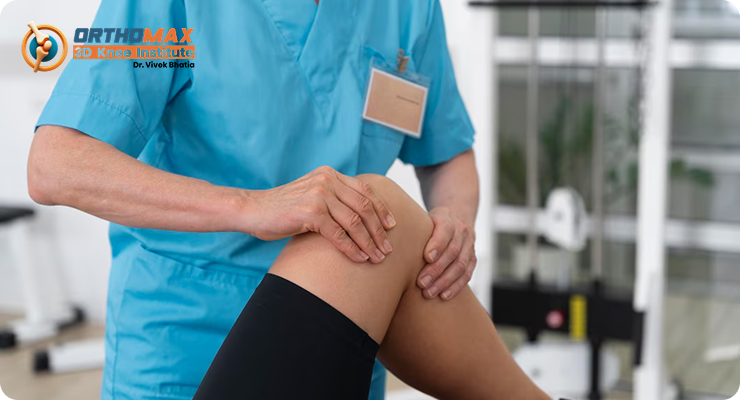
Knee Preservation Techniques to Relieve Pain and Delay Surgery
Knee pain doesn’t always mean surgery is inevitable. In fact, many people can delay or even completely avoid knee replacement with the right combination of early diagnosis, modern therapies, and lifestyle modifications. This approach is known as z, a growing field in orthopaedics that focuses on protecting your natural knee joint for as long as possible.
With increasing awareness and access to advanced care—especially knee preservation in Panchkula—patients today have more treatment choices than ever before. Modern centres such as Orthomax 3D Knee Institute are playing a crucial role by offering technology-driven, patient-specific knee preservation protocols designed to slow joint damage and maintain mobility.
This blog explains what knee preservation is, who can benefit from it, the most effective knee preservation techniques, and when surgery becomes unavoidable.
What Is Knee Preservation?
Knee preservation refers to a range of non-surgical or minimally invasive treatments aimed at maintaining the natural structure and function of the knee joint. The primary goals of knee preservation include:
- Reducing knee pain
- Slowing cartilage degeneration
- Improving joint mobility and stability
- Delaying or avoiding knee replacement surgery
Instead of replacing the joint, knee preservation focuses on protecting, repairing, and strengthening existing tissues. Orthopaedic specialists—especially the best orthopaedics in Panchkula—now recommend knee preservation as the first line of treatment for patients with early to mid-stage knee conditions.
Who Is an Ideal Candidate for Knee Preservation?
Knee preservation is most effective when started early. You may be a suitable candidate if you:
- Have early or moderate osteoarthritis
- Experience knee pain but can still walk and perform daily activities
- Have partial cartilage damage rather than complete joint collapse
- Want to avoid or delay knee replacement
- Are young, middle-aged, or physically active
Timely evaluation at a specialised centre like Orthomax 3D Knee Institute can help determine whether your knee joint can still be preserved and which treatment options will work best for you.
Top Knee Preservation Techniques That Really Work
1. Weight Management and Activity Modification
Excess body weight places significant stress on knee joints. Research shows that even a 5–10% reduction in body weight can significantly reduce knee pain and slow joint damage.
Effective strategies include:
- Low-impact exercises such as walking, cycling, and swimming
- Avoiding deep squats, running on hard surfaces, and excessive stair climbing
- Wearing supportive, shock-absorbing footwear
Weight control is a foundational step in knee preservation and enhances the results of other treatments.
2. Physiotherapy and Muscle Strengthening
Strong muscles around the knee reduce the load on the joint itself. Structured physiotherapy programs focus on:
- Strengthening the quadriceps, hamstrings, and hip muscles
- Improving joint stability and balance
- Reducing stiffness and improving flexibility
Today’s knee preservation programs are customized to each patient’s condition, rather than following a one-size-fits-all approach.
3. Medications for Short-Term Relief
Medications may be prescribed to manage pain and inflammation during flare-ups. These usually include:
- Anti-inflammatory drugs
- Pain relievers for temporary symptom control
While medications can provide relief, they should be viewed as supportive treatment rather than a permanent solution for knee preservation.
4. Platelet-Rich Plasma (PRP) Therapy
PRP therapy uses the patient’s own blood to extract platelets rich in growth factors. These are then injected into the knee to support healing.
Potential benefits include:
- Reduced inflammation
- Improved comfort during movement
- Possible slowing of cartilage breakdown
PRP is commonly recommended by the best orthopaedics in Panchkula for patients with early-stage knee degeneration.
5. Viscosupplementation (Gel Injections)
Viscosupplementation involves injecting a gel-like substance into the knee joint to improve lubrication.
These injections can:
- Reduce friction inside the joint
- Improve joint flexibility
- Delay knee replacement in selected patients
Results vary depending on the stage of joint damage, but many patients experience significant symptom relief.
6. Regenerative and Cartilage Preservation Techniques
Advanced regenerative treatments aim to support tissue repair and joint function. When performed by experienced specialists, these techniques may:
- Improve joint environment
- Slow down degeneration
- Extend the functional life of the knee joint
Such approaches are becoming increasingly important in modern knee preservation strategies.
7. Bracing and Biomechanical Support
Custom knee braces and orthotic insoles help improve knee alignment and movement patterns. They work by:
- Correcting joint alignment
- Reducing uneven pressure on damaged areas
- Improving walking comfort and stability
These supports are particularly beneficial in early deformities and alignment-related knee pain.
8. Nutrition and Lifestyle Optimisation
Diet and lifestyle play a vital role in joint health. A knee-friendly lifestyle focuses on:
- Omega-3 fatty acids to reduce inflammation
- Antioxidant-rich fruits and vegetables
- Adequate protein intake to support muscles
- Proper vitamin D and calcium levels
Healthy lifestyle habits strengthen the effectiveness of medical knee preservation treatments.
When Knee Preservation Is No Longer Enough
Despite best efforts, knee preservation may not work for everyone. Knee replacement becomes necessary when:
- Pain severely restricts daily activities
- Joint deformity continues to worsen
- Cartilage loss is complete and irreversible
Specialised centres like Orthomax 3D Knee Institute emphasise that surgery should be considered only when all effective preservation options have been exhausted.
Importance of Early Diagnosis
One of the most critical factors in knee preservation success is early diagnosis. Delaying consultation often leads to:
- Faster joint deterioration
- Limited non-surgical treatment options
- Earlier need for surgery
Early assessment by the best orthopaedics in Panchkula ensures access to the widest range of knee preservation solutions.
Frequently Asked Questions
Q1. Can knee preservation completely avoid surgery?
In early cases, yes. Many patients successfully delay surgery for years.
Q2. Is knee preservation suitable for arthritis patients?
Yes, especially for early to moderate osteoarthritis.
Q3. Are injections safe for the knee?
When performed by experienced specialists, knee injections are safe and effective.
Q4. How long do knee preservation results last?
Results may last from several months to years, depending on treatment choice and lifestyle.
Q5. Where can I get knee preservation in Panchkula?
Consult experienced orthopaedic specialists or advanced knee care centres in Panchkula.
Final Thoughts
Knee pain does not automatically mean surgery. With timely intervention and the right medical approach, knee preservation techniques can help many patients maintain mobility, independence, and quality of life without immediate knee replacement.
By seeking expert guidance and exploring knee preservation in Panchkula, patients can take proactive control of their joint health. Advanced centres such as Orthomax 3D Knee Institute demonstrate how early diagnosis, personalised care, and modern technology can make a meaningful difference in long-term knee outcomes.