orthomax hospital

Author name: admin

How Augmented Reality Is Transforming Modern Knee Replacement

How Augmented Reality Is Transforming Modern Knee Replacement

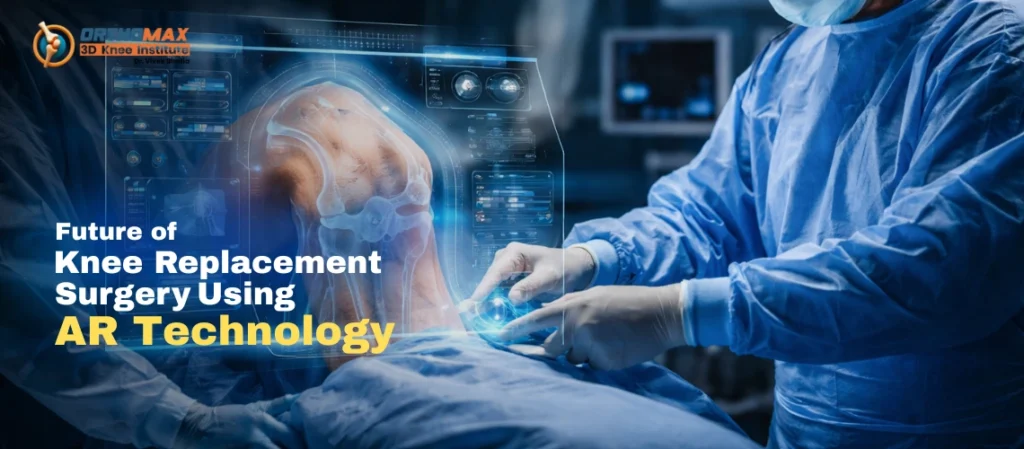
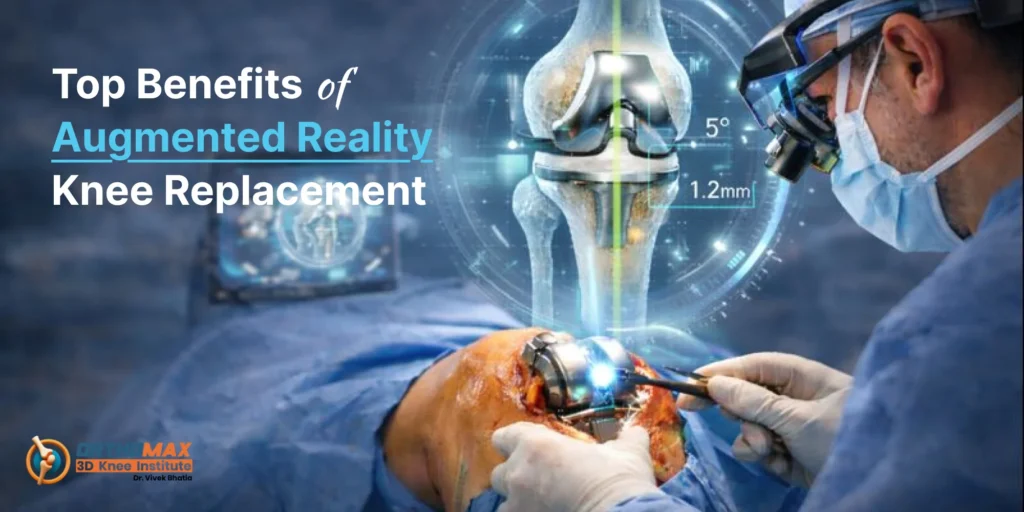
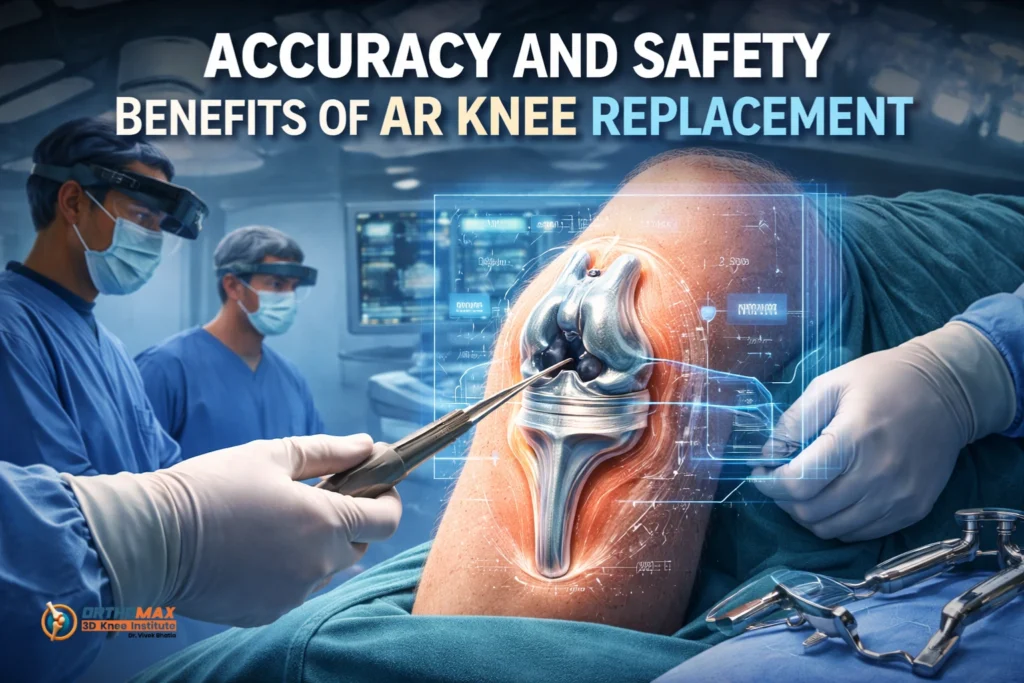
Knee pain is no longer an “old-age problem.” From athletes to working professionals and seniors, knee joint degeneration and injuries affect daily life across age groups. As expectations from surgery grow—less pain, faster recovery, and longer implant life—technology has stepped in to reshape outcomes. One of the most impactful innovations today is Augmented Reality (AR) in orthopaedic surgery. Augmented Reality is changing how surgeons plan, perform, and perfect knee replacement procedures. Unlike traditional methods that rely heavily on experience and estimation, AR enables real-time visual guidance, precision alignment, and patient-specific customization. This shift is especially visible in advanced orthopaedic centers and among the best orthopaedics in Panchkula, where technology-driven care is redefining standards. What Is Augmented Reality in Knee Replacement? Augmented Reality blends digital information with the surgeon’s real-world view during surgery. Using smart glasses, navigation systems, or digital overlays, AR projects 3D anatomical data directly onto the patient’s knee during the operation. In simple terms: This approach is increasingly used in modern knee replacement surgeries to improve consistency and long-term success. Why Precision Matters in Knee Replacement Even a small error of 1–2 degrees in implant placement can: Traditional techniques depend largely on manual tools and the surgeon’s experience. AR introduces objective precision, ensuring every step aligns with the patient’s anatomy. That’s why AR based knee replacement is seen as a breakthrough rather than just a technological upgrade. How AR Transforms the Knee Replacement Process 1. Advanced Pre-Surgical Planning Before surgery, CT scans or 3D imaging are used to: This personalized planning improves predictability and minimizes surprises during surgery. 2. Real-Time Surgical Guidance During surgery, AR systems: This allows instant correction, making surgery more accurate and controlled. 3. Minimal Invasive Accuracy Because AR reduces uncertainty: These advantages directly contribute to faster recovery and better outcomes. Benefits of AR Based Knee Replacement for Patients Patients choosing AR based knee replacement often experience measurable advantages: Leading specialists among the best orthopaedics in Panchkula now recommend AR-assisted procedures for suitable candidates seeking long-term results. AR vs Traditional Knee Replacement: A Clear Shift Aspect Traditional Surgery AR-Based Surgery Implant alignment Manual estimation Real-time guided Precision level Surgeon-dependent Technology-assisted Recovery consistency Variable More predictable Long-term results Good Superior and durable While traditional knee replacement is still effective, AR adds a layer of accuracy that significantly improves surgical outcomes. Is Augmented Reality Safe and Reliable? Yes. AR in orthopaedics is: Experienced orthopaedic surgeons use AR as an enhancement—combining skill with technology for better patient safety. Who Is an Ideal Candidate for AR Knee Replacement? You may benefit from AR-assisted knee surgery if: Consultation with experts from the best orthopaedics in Panchkula helps determine suitability based on lifestyle, age, and joint condition. Recovery Experience with AR Based Knee Replacement Patients often report: Because the joint mechanics are restored more accurately, physiotherapy becomes smoother and more effective. Role of Surgeon Expertise with AR Technology Technology alone does not guarantee success. Outcomes depend on: That’s why choosing specialists trained in AR based knee replacement is critical. Reputed centers offering advanced knee replacement procedures focus equally on skill and innovation. Why This Matters for Patients in Panchkula With growing access to advanced orthopaedic care, patients no longer need to travel far for world-class treatment. Many clinics led by the best orthopaedics in Panchkula now offer technology-driven solutions comparable to global standards. This makes Panchkula an emerging hub for advanced joint replacement care in North India. FAQs Q1. Is AR-based knee replacement better than robotic surgery? AR focuses on visual guidance and precision, while robotics assist with mechanical execution. Both are effective, and choice depends on surgeon expertise and patient needs. Q2. Does AR-based surgery increase operation time? No. In most cases, planning reduces intraoperative time by improving workflow efficiency. Q3. Is AR knee replacement costlier? Costs may be slightly higher, but reduced complications and long-term benefits often make it cost-effective. Q4. Is recovery faster with AR knee replacement? Yes. Improved alignment leads to quicker mobility and smoother rehabilitation. Q5. Can elderly patients undergo AR-based knee replacement? Yes, age is not a limitation. Overall health and joint condition matter more. Final Thoughts Augmented Reality is not the future of orthopaedics—it’s the present. By combining surgical expertise with digital precision, AR is transforming how knee replacement surgeries are performed and experienced. For patients seeking accuracy, faster recovery, and lasting results, AR based knee replacement offers a smarter, safer path forward. With access to skilled surgeons and advanced care from the Orthomax’s best orthopaedics in Panchkula, patients can confidently step into a pain-free, active life.

Best Treatment for Knee Pain

Knee Preservation or Replacement: Find the Best Treatment Path

Knee Preservation or Replacement: Find the Best Treatment Path Knee pain can make everyday activities uncomfortable and exhausting. When conservative treatments no longer provide enough relief, people often wonder: Should I go for knee preservation or consider knee replacement? Choosing the right treatment path is not always straightforward. The ideal decision depends on your age, activity level, joint damage, lifestyle goals, and how advanced your knee condition is. This guide simplifies the process so you can confidently determine which option aligns with your long-term knee health. Understanding the Difference Before comparing both paths, let’s understand what each actually means. What Is Knee Preservation? Knee preservation focuses on saving your natural joint for as long as possible. It includes treatments that repair, regenerate, or realign your knee to delay or avoid knee replacement surgery. Common knee preservation techniques include: What Is Knee Replacement? Knee replacement (also called knee arthroplasty) involves replacing the damaged bone and cartilage with artificial implants. It may be: Modern knee replacements—especially robotic and computer-assisted ones—are highly precise and long-lasting. When Knee Preservation Is the Better Choice Knee preservation is usually ideal when: 1. You’re Under 50 or Physically Active Younger, active individuals benefit more from preserving their natural joint. It maintains mobility, avoids early implants, and supports sports activities. 2. Damage Is Limited If the cartilage wear is mild to moderate or the tear is repairable, preservation therapies work well. 3. Misalignment Is the Root Cause Sometimes knee pain happens because the knee joint is unevenly loaded.In such cases, osteotomy can correct the alignment and extend joint life. 4. You Want Faster Recovery Most preservation procedures, especially arthroscopy and PRP, involve shorter downtime and quicker return to normal activity. 5. You’re Not Ready for Joint Replacement Preservation helps delay replacement by 5–10 years or more, depending on severity. When Knee Replacement Becomes the Best Option Although knee preservation works well for early and mid-stage damage, replacement becomes necessary when: 1. You Have Advanced Osteoarthritis If bone-to-bone contact, severe cartilage loss, or deformity is present, replacement provides long-term relief. 2. Pain Interferes with Daily Life When even simple activities—standing, walking, bending—become painful, replacement provides reliable improvement. 3. Other Treatments Fail If physiotherapy, injections, medications, or arthroscopy no longer help, it’s time to consider surgery. 4. Sleep Is Affected Due to Pain Night pain is a common indicator of end-stage joint disease. 5. Your Knee Is Losing Stability If your knee regularly locks, gives way, or restricts your motion significantly, replacement restores stability. Comparing the Two: Which Is Right for You? Factor Knee Preservation Knee Replacement Age Suitability Best for < 50 yrs Best for > 55 yrs Joint Damage Level Mild–Moderate Extensive / Severe Recovery Time Faster Longer but more permanent Activity Level Great for sports/active lifestyle Suitable for routine daily activities Longevity Delays replacement Lasts 20–25 years Pain Relief Good Excellent Long-term Solution Temporary Permanent How to Decide Which Treatment Path Is Best for You Here’s a decision-making framework that helps you choose confidently: 1. Identify Your Pain Pattern 2. Assess Mobility Limitations Difficulty in walking or climbing stairs typically indicates advanced damage. 3. Check X-ray & MRI Findings Your imaging reports reveal how much cartilage is left, which helps clinicians recommend the correct path. 4. Consider Your Long-term Plans Younger individuals wanting a natural-feeling knee may prefer preservation, while older adults often choose replacement for long-term relief. 5. Discuss All Options With an Expert A skilled orthopaedician can guide you with a personalized assessment. Benefits of Choosing the Right Treatment Path If You Choose Knee Preservation: If You Choose Knee Replacement: Frequently Asked Questions  1. How do I know if I still qualify for knee preservation? You may qualify if your cartilage damage isn’t severe, your joint alignment is good, and you’re under 50–55. Only an MRI can confirm eligibility. 2. Is knee replacement my only option if I have arthritis? Not always. Early-stage arthritis often responds well to preservation therapies like physiotherapy, PRP injections, or arthroscopy. 3. How long does a knee replacement last? Modern implants typically last 20–25 years, sometimes longer with robotic precision. 4. Which option gives faster recovery? Knee preservation procedures typically offer quicker recovery, but knee replacement provides more lasting relief. 5. Can biologics like PRP delay knee replacement? Yes, PRP and stem-cell–based treatments can reduce pain and delay surgery, especially in mild to moderate knee arthritis. Conclusion Deciding between knee preservation and knee replacement isn’t about choosing one superior option—it’s about selecting the treatment that fits your knee’s current condition. If your joint still has healthy cartilage and you’re active, preservation can help maintain natural function longer. But when damage is severe and pain limits daily life, knee replacement offers more dependable relief and mobility. A proper evaluation by an orthopaedic expert will guide you toward the approach that ensures long-term comfort and joint health.

Knee Surgery

10 Signs You May Need Knee Surgery Soon

10 Signs You May Need Knee Surgery Soon Knee problems are extremely common, especially among individuals who lead active lifestyles, have age-related degeneration, or suffer from old injuries. In many cases, pain or stiffness can be managed with physiotherapy, medications, or lifestyle changes. However, when symptoms become persistent and start affecting daily quality of life, knee surgery may become the most effective long-term solution. This guide explains the 10 most important signs that indicate you may need knee surgery soon, including knee replacement, ACL reconstruction, or cartilage repair—depending on your condition. If you have been experiencing any of the symptoms below, consulting an orthopaedic specialist can help prevent further joint damage. 1. Persistent Knee Pain That Doesn’t Improve Chronic pain lasting longer than a few months is one of the strongest indicators of advanced knee degeneration. If the pain continues despite medication, rest, physiotherapy, or injections, it often suggests structural damage inside the joint. People commonly describe the pain as: Persistent pain is a major sign that the joint may no longer respond to conservative treatments and may require surgical intervention. 2. Difficulty Walking, Standing, or Climbing Stairs When mobility becomes restricted, knee stability and function are likely compromised. If basic movements such as: It can become extremely challenging, it suggests significant damage to the joint surfaces. Knee surgery can restore mobility and improve the ability to perform daily activities comfortably. 3. Severe Morning Stiffness or Stiffness After Rest Mild stiffness is common, but if the knee feels locked, frozen, or difficult to bend for more than 20–30 minutes after waking up, it indicates joint inflammation or cartilage breakdown. Stiffness that worsens over time can be a sign of: Surgery may be required when stiffness limits flexibility and normal joint function. 4. Visible Deformity in the Knee If your knee appears bent inward (knock-knee) or outward (bow-leg), it may indicate structural deterioration. Deformity progresses due to uneven cartilage wear and may lead to: Early surgical correction helps prevent long-term disability and restores joint alignment. 5. Frequent Knee Swelling or Inflammation Swelling that returns repeatedly—especially if the knee feels warm or filled with fluid—may signal chronic internal damage. Common causes include: Recurring swelling means the joint is struggling to repair itself and may benefit from surgical evaluation. 6. Instability or Feeling That the Knee “Gives Way” A knee that suddenly collapses or cannot support your weight may indicate ligament injuries, particularly ACL or PCL tears. Instability puts you at risk for falls and further injury. If bracing and physiotherapy do not restore stability, ligament reconstruction surgery may be required to stabilize the joint. 7. Grinding, Clicking, or Popping Sounds Occasional clicking is normal. However, painful or repetitive grinding sounds, medically known as crepitus, usually indicate: When these sounds are accompanied by pain or swelling, surgical treatment may be the best solution to prevent further deterioration. 8. Reduced Range of Motion If bending or straightening the knee becomes difficult, the joint may have structural blockages such as: A reduced range of motion affects daily life and may require arthroscopy or knee replacement, depending on the underlying cause. 9. Ineffective Non-Surgical Treatments Usually, doctors recommend non-surgical methods such as: If none of these methods offer long-term relief, it indicates the joint damage is too advanced for conservative care and surgery may become necessary. 10. Knee Pain Interfering With Sleep or Daily Life When knee pain prevents restful sleep or interrupts daily routines—such as working, driving, exercising, or performing household activities—it becomes a clear signal of worsening joint degeneration. If knee pain impacts your mental health, productivity, or quality of life, surgical treatment can significantly improve physical and emotional well-being. When Should You Consult a Knee Specialist? You should seek medical evaluation if: An orthopaedic consultant can perform X-rays, MRI scans, and physical examinations to determine whether surgery is required. Types of Knee Surgeries Commonly Recommended Depending on your condition, a specialist may recommend: 1. Total Knee Replacement (TKR) For severe arthritis or bone-on-bone friction. 2. Partial Knee Replacement (PKR) For damage limited to one compartment of the knee. 3. Arthroscopy For meniscus tears, loose bodies, or cartilage issues. 4. ACL / PCL Reconstruction For ligament tears causing instability. 5. Osteotomy For correcting knee deformity in younger patients. Frequently Asked Questions (FAQs) 1. What are the earliest signs that I may need knee surgery? Early indicators include persistent knee pain, difficulty with movement, stiffness after rest, swelling, and a feeling of instability. If these symptoms continue even after rest or physiotherapy, surgical evaluation may be necessary. 2. Can knee arthritis be treated without surgery? Yes. In the early stages, knee arthritis can be managed with medications, physiotherapy, weight control, injections, and lifestyle modifications. Surgery is recommended only when these treatments fail to provide relief. 3. How do I know if knee pain is serious? Knee pain is considered serious if it lasts more than 4–6 weeks, worsens with daily activities, causes swelling, restricts mobility, or interferes with sleep. A medical consultation is recommended in such cases. 4. Does every patient with knee pain require surgery? No. Surgery is considered only when non-surgical treatments do not work or when structural damage inside the joint is significant. Many patients improve with conservative care. 5. What are the common types of knee surgeries recommended? Depending on the condition, doctors may recommend knee arthroscopy, total knee replacement, partial knee replacement, ACL/PCL reconstruction, or corrective osteotomy. 6. How long is the recovery after knee surgery? Recovery time varies by procedure. Arthroscopy may require a few weeks, while knee replacement may take 6–12 weeks for most daily activities. Physiotherapy plays a crucial role in recovery. 7. When should I see a knee specialist? You should visit a knee specialist if your symptoms persist beyond a few weeks, if your knee feels unstable, if swelling occurs frequently, or if knee pain starts affecting your everyday tasks. 8. Is knee replacement safe for older adults? Yes. Modern knee replacement techniques, including robotic and computer-assisted surgeries, are highly safe and deliver excellent

Knee Replacement

Understanding Knee Replacement: Types, Benefits & Recovery Timeline

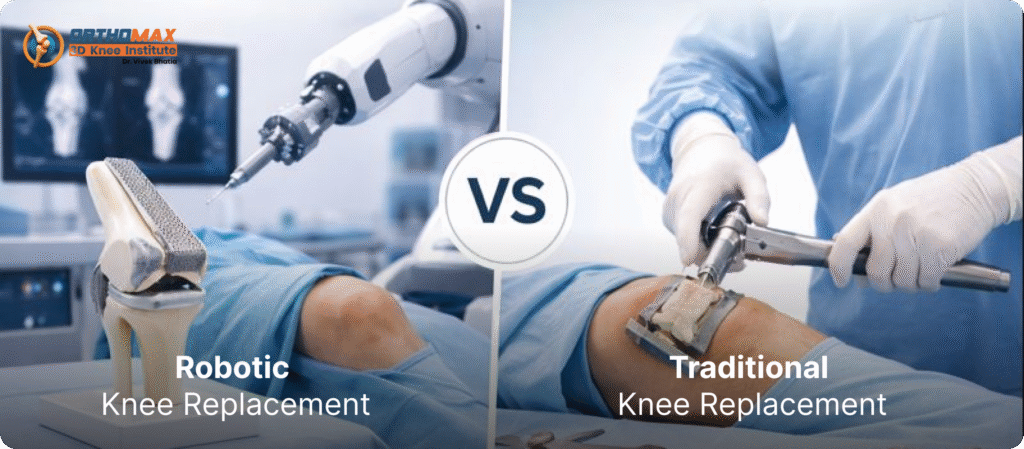
Understanding Knee Replacement: Types, Benefits & Recovery Timeline Knee replacement is one of the most reliable and successful orthopaedic procedures, offering long-term pain relief and improved mobility for individuals with severe knee damage. Whether the procedure is being researched for personal health needs or to support someone else, understanding the types of knee replacement, their benefits, and the recovery timeline is essential. This guide presents all the important information in a simple and structured way, helping readers make informed and confident decisions about knee health. What Is Knee Replacement and Why Is It Needed? Knee replacement, also known as knee arthroplasty, involves removing damaged cartilage and bone from the knee joint and replacing it with medical-grade implants that mimic natural movement. Conditions such as osteoarthritis, rheumatoid arthritis, post-traumatic injury, or severe joint degeneration often lead to chronic pain, stiffness, instability, and difficulty walking—making knee replacement a life-changing solution. If you are struggling with persistent knee pain that affects daily activities like climbing stairs, standing, or walking, a knee replacement may help. Many first-person patients say, “I regained my mobility” after surgery, while third-person caregivers often report that “their loved one returned to an active lifestyle.” Types of Knee Replacement Surgery Understanding the different types of knee replacement helps you choose the most suitable treatment option. Each type is designed for different levels of joint damage and patient needs. 1. Total Knee Replacement (TKR) A Total Knee Replacement is recommended when the entire knee joint is severely damaged. How TKR Works Best For: Benefits: 2. Partial Knee Replacement (PKR) A Partial Knee Replacement is ideal when only one compartment (inner, outer, or kneecap) is damaged. How PKR Works Only the affected portion of the knee is replaced, preserving healthy tissue and ligaments. Best For: Benefits: 3. Robotic Knee Replacement Robotic-assisted knee replacement is one of the most advanced techniques today. How It Works Best For: Benefits: 4. Revision Knee Replacement A Revision Knee Replacement is performed when an existing knee implant wears out, loosens, or becomes infected. Best For: Benefits: Key Benefits of Knee Replacement Surgery If you or a third-person patient is wondering whether knee replacement is worth it, here’s what most individuals experience: 1. Significant Pain Relief Most patients report that chronic knee pain disappears or reduces dramatically after surgery. 2. Improved Mobility and Joint Function Walking, climbing stairs, and daily activities become easier and more comfortable. 3. Better Quality of Life Many first-person patients say, “I feel like I got my life back.” 4. Long-Lasting Results High-quality implants can last 15–25 years depending on activity levels. 5. Quick Return to Daily Activities Thanks to modern surgical techniques, recovery is faster than ever. Step-by-Step: The Knee Replacement Procedure Understanding the steps can help reduce anxiety and prepare you for the journey. 1. Pre-Surgery Evaluation Your doctor assesses your condition using X-rays, MRI, and physical exams. 2. Anaesthesia & Preparation You will receive either general or spinal anaesthesia. 3. Removal of Damaged Tissue The surgeon removes the worn-out cartilage and bone surfaces. 4. Implant Placement Artificial implants are fixed in place to restore smooth joint movement. 5. Closure & Recovery The incision is closed, and you’re moved to recovery for observation. Recovery Timeline After Knee Replacement Recovery varies for each patient, but this general timeline shows what you can expect. Week 1: Early Recovery Weeks 2–4: Mobility Improvements Months 1–3: Strength & Stability Months 3–6: Returning to Normal Life 6 Months–1 Year: Full Recovery Most people achieve complete recovery with excellent joint movement and no pain. Tips for a Smooth Knee Replacement Recovery FAQs 1. Is knee replacement a safe procedure? Yes, knee replacement is considered highly safe and has excellent success rates when performed by skilled surgeons. 2. How long do knee replacement implants last? Most implants last 15–25 years depending on activity levels and implant type. 3. When can I walk after knee replacement? You can usually start walking with support within 24–48 hours after surgery. 4. Is robotic knee replacement better? Robotic surgery offers enhanced precision, better alignment, and faster recovery. 5. What activities can I do after recovery? You can enjoy walking, swimming, cycling, and low-impact exercises. 6. How painful is knee replacement recovery? Pain is manageable with medication, and it decreases significantly within a few weeks. Conclusion Knee replacement is a highly effective procedure that helps you overcome chronic pain, restore mobility, and return to an active lifestyle. With options like total, partial, and robotic-assisted techniques, patients can choose the approach that best fits their condition. When paired with proper physiotherapy and healthy habits, recovery becomes smoother and long-lasting. For anyone struggling with persistent knee issues, knee replacement offers a safe, reliable, and proven path to better movement and a better quality of life.

Knee Pain

Why Knee Pain Gets Worse With Age: Causes & Treatment Options in India

Why Knee Pain Gets Worse With Age: Causes & Treatment Options in India Knee pain is one of the most common health issues faced by middle-aged and older adults in India. What starts as mild stiffness in the 40s can turn into chronic pain by the time a person reaches 60 or 70. Ageing naturally affects bones, joints, muscles, and cartilage — and the knee joint is one of the first areas to suffer this wear and tear. In India, knee osteoarthritis affects a large portion of the older population and is one of the leading causes of reduced mobility. Understanding why knee pain gets worse with age and knowing the best treatment options can help you maintain an active and healthy lifestyle. What Causes Knee Pain to Increase With Age? 1. Natural Wear and Tear of Cartilage As we age, the cartilage that cushions the bones inside the knee gradually wears away. This protective layer keeps the joint moving smoothly. When it thins out, bones may rub against each other, causing pain, stiffness, swelling, and reduced mobility. This is the most common cause of age-related knee pain. 2. Muscle Weakness Ageing leads to a natural decline in muscle mass, especially in the thighs and hips. These muscles support the knee joint. When they weaken, the entire load shifts onto the knee, increasing strain and accelerating pain. 3. Reduced Joint Lubrication A healthy knee contains synovial fluid that acts as a lubricant. With age, the amount and quality of this fluid decrease. Less lubrication means more friction in the joint, which leads to stiffness and discomfort. 4. Degeneration of Ligaments and Tendons Ligaments and tendons lose elasticity over time. They become more prone to micro-tears and inflammation. Once they weaken, the knee becomes unstable and painful. 5. Previous Injuries Past injuries such as ligament tears, meniscus injuries, or fractures may flare up again with age. These old injuries also increase the chances of developing osteoarthritis later in life. 6. Excess Weight Being overweight puts excessive pressure on the knees. Each extra kilogram adds significant force on the knee joint during walking and climbing stairs. Over time, this contributes to faster cartilage degeneration. 7. Chronic Inflammation As the body ages, low-grade inflammation becomes more common. Conditions like rheumatoid arthritis or metabolic disorders can worsen knee pain significantly. 8. Biomechanical Imbalances Poor posture, weak hip muscles, knock knees, or flat feet can change how a person walks. This causes uneven stress on the knee joint, leading to faster wear and discomfort. Common Knee Problems That Increase With Age Osteoarthritis The most widespread age-related knee condition where cartilage breaks down, causing pain and stiffness. Degenerative Meniscus Tear The meniscus becomes weaker over time and can tear even with simple activities like squatting or twisting. Chondromalacia Patella The cartilage under the kneecap softens or becomes irritated, causing pain while climbing stairs or walking downhill. Knee Effusion (Fluid Buildup) Inflammation or injury may cause excess fluid in the knee, leading to swelling and difficulty bending the joint. Treatment Options for Age-Related Knee Pain The right treatment depends on the severity of the condition, symptoms, lifestyle, and age. Here are the most effective options: 1. Lifestyle Changes & Home Remedies Weight Management Even a slight reduction in weight helps reduce pressure on the knees and lowers pain. Low-Impact Exercises These activities strengthen the muscles without aggravating the joint. Strength Training Exercises that target quads, hamstrings, and hip muscles provide better support to the knee. Heat & Cold Therapy Footwear Support Wearing cushioned shoes or using orthotics reduces impact on the knee joint. 2. Medications & Pain Relief NSAIDs and Painkillers Short-term use helps reduce inflammation and discomfort. Topical Gels Pain-relief gels offer local relief without major side effects. Joint Injections For moderate to severe pain, doctors may recommend: These help reduce inflammation and improve movement. 3. Physiotherapy Physiotherapy helps strengthen muscles, improve flexibility, and correct joint alignment. A tailored rehabilitation plan can significantly reduce pain and prevent further deterioration. 4. Advanced Non-Surgical Options Radiofrequency Ablation (RFA) A minimally invasive procedure that targets nerves carrying pain signals from the knee. Regenerative Therapies Treatments like stem cell therapy or BMAC aim to repair damaged tissues and delay the need for surgery. 5. Surgical Treatment When all other treatments fail, surgery becomes an option. Knee Replacement Surgery Modern knee replacement techniques, including 3D-guided knee replacement, offer: This is ideal for patients with severe osteoarthritis or cartilage loss. Joint Preservation Procedures For younger seniors, partial knee replacement or realignment surgeries may help preserve natural joint function. Tips to Prevent Knee Pain as You Age FAQs 1. What causes knee pain to increase with age? Knee pain increases with age mainly due to cartilage wear, reduced joint lubrication, weakening muscles, and age-related osteoarthritis. Old injuries and excess body weight can also worsen knee pain over time. 2. Why does my knee hurt more as I get older? As you age, your cartilage thins, bones weaken, and ligaments lose flexibility. This makes the knee joint less stable and more prone to inflammation and discomfort. 3. Is knee pain normal after 40 or 50? No. Knee pain is common but not normal. If you experience daily stiffness, swelling, or difficulty climbing stairs, it may indicate early arthritis or joint degeneration. 4. What are the early signs of age-related knee problems? Early signs include morning stiffness, swelling, clicking or grinding sounds, pain when climbing stairs, and difficulty bending the knee comfortably. 5. How do I know if my knee pain is serious? Knee pain is considered serious if it lasts more than 2–3 weeks, causes instability, prevents weight-bearing, interrupts sleep, or limits daily activities. 6. When should I see an orthopaedic doctor for knee pain? Consult a specialist when home remedies stop working, pain increases monthly, or walking becomes difficult. Individuals above 50 should seek early assessment. 7. What are the best treatments for knee pain in older adults? Common treatments include physiotherapy, anti-inflammatory medications, heat/cold therapy, braces, PRP or hyaluronic acid injections,

Knee Replacement Helps

How Knee Replacement Helps You Stay Active at Any Stage of Life

Living with chronic knee pain can affect your day to day activities such as —walking, climbing stairs, working, exercising, and even sleeping. Whether you’re in your 30s or your 70s, knee pain limits your movement, affects mood, and disrupts daily life. Thankfully, modern medical advancements have made knee replacement surgery safer, faster, and more effective than ever before. Today, knee replacement is not just a solution for older adults—it’s a life-changing option for any age group struggling with severe knee issues. Whether your knee pain comes from arthritis, injury, wear-and-tear, or a medical condition, knee replacement can help you stay active, independent, and confident. This blog explains, in simple terms, how knee replacement helps you live better at any age, why it works, when to consider it, and what benefits you can expect. What Is Knee Replacement? Knee replacement—also called knee arthroplasty—is a surgical procedure where a damaged knee joint is replaced with an artificial joint (implant). These implants are made of safe, durable materials designed to mimic natural knee movement. Modern knee replacements are: Many patients can walk within hours after surgery and return to normal daily activities within weeks. Why Knee Replacement Helps at Any Age Knee replacement is no longer considered an “old-age surgery.” People as young as 30–40 sometimes need it because of: At the same time, seniors benefit equally because the surgery restores mobility and independence. Let’s break down how knee replacement helps people of different age groups. 1. Young Adults (20s to 40s) Younger individuals often experience knee problems due to: When pain continues for years, affecting work, travel, and family life, knee replacement becomes a practical solution. Benefits for Young Adults Most younger patients regain mobility quickly because of stronger muscles and faster healing. 2. Middle-Aged Adults (40s to 60s) This age group often struggles with knee pain caused by: Knee replacement helps middle-aged patients stay active in their careers, manage family responsibilities, and enjoy hobbies without pain. Benefits for Middle-Aged People Many in this age group choose knee replacement because it helps them maintain independence and quality of life. 3. Older Adults (60s to 80s) For seniors, knee replacement provides the chance to: Research shows that seniors benefit greatly from knee replacement, with significant improvements in pain relief and the ability to move freely. Benefits for Seniors Age is not a barrier. Doctors only check overall health, not age number. How Knee Replacement Helps You Stay Active Regardless of your age, knee replacement offers several major advantages: 1. Eliminates or Greatly Reduces Pain Chronic knee pain can affect every part of your life. Once the damaged joint surfaces are replaced, the pain drops dramatically. Result:You can walk, stand, climb stairs, and even exercise without constant discomfort. 2. Improves Mobility and Flexibility After surgery and physiotherapy, most people notice: This makes everyday life easier and more enjoyable. 3. Restores Strength and Stability Knee replacement gives your leg strong, stable support.This is especially important for: Stability also helps improve posture and overall movement. 4. Helps You Stay Fit & Active Once pain reduces and movement improves, you can return to activities like: Being active improves heart health, reduces weight, and enhances mood. 5. Boosts Mental and Emotional Wellbeing Living with knee pain affects mental health too.Many patients feel frustrated, stressed, or dependent on others. After knee replacement, people often feel: Pain-free movement improves overall quality of life. 6. Supports Long-Term Joint Health Without treatment, a severely damaged knee gets worse over time.Knee replacement stops further deterioration and protects the surrounding bones and muscles. This means: When Should You Consider Knee Replacement? You may need a knee replacement if you experience: A doctor can confirm with X-rays, MRI, and physical examination. Life After Knee Replacement: What to Expect Most people can: Modern implants last 15–25 years, making knee replacement a long-term solution. FAQs 1. Is knee replacement safe for all ages? Yes, if medically fit. Age is not a barrier—your joint condition and overall health matter more. 2. How long does recovery take? Most daily activities resume in a few weeks, with full recovery in 3–6 months. 3. Can I walk normally after knee replacement? Yes, most patients walk better than before as pain decreases and mobility improves. 4. Does knee replacement help with arthritis? Absolutely. It is one of the most effective treatments for severe arthritis. 5. Can I exercise after surgery? Yes. Low-impact activities like walking, cycling, and swimming are encouraged. Final Thoughts Knee replacement is a powerful solution that helps people of every age overcome knee pain and return to an active, confident, and fulfilling life. Whether you’re a young professional, a busy parent, or a senior who wants to stay independent, knee replacement can dramatically improve your mobility and well-being. Living with pain is not your only option—modern knee replacement gives you the freedom to move, stay active, and live life fully.

Top 7 Benefits of Orthopaedic Surgery for Long-Term Joint Health

Top 7 Benefits of Orthopaedic Surgery for Long-Term Joint Health

Top 7 Benefits of Orthopaedic Surgery for Long-Term Joint Health Joint pain can make everyday life difficult — from walking short distances to performing basic tasks. Whether caused by arthritis, injury, or wear and tear, chronic joint pain can limit your mobility and affect your quality of life. Fortunately, orthopaedic surgery has advanced tremendously, offering long-term relief and improved function for people of all ages. In this article, we’ll explore the top 7 benefits of orthopaedic surgery for long-term joint health, how it can transform your mobility, and why it’s a reliable solution for those struggling with persistent joint problems. What Is Orthopaedic Surgery? Orthopaedic surgery focuses on the diagnosis, treatment, and correction of conditions affecting the bones, joints, ligaments, tendons, and muscles. Common orthopaedic procedures include knee and hip replacements, arthroscopy, spinal surgery, ligament repair, and fracture fixation. The goal is not only to relieve pain but also to restore proper joint function and prevent further degeneration. With the help of modern surgical techniques and advanced implant technology, orthopaedic surgery can significantly enhance long-term joint health and mobility. 1. Long-Term Pain Relief One of the most immediate and life-changing benefits of orthopaedic surgery is lasting pain relief. Chronic pain from arthritis, injuries, or degenerative joint disease can severely limit daily life. Procedures like total knee replacement, hip replacement, or arthroscopic repairs remove or correct the source of pain — whether it’s worn cartilage, bone spurs, or damaged tissue. After recovery, patients experience significantly less pain, often eliminating the need for long-term pain medications. By addressing the root cause, orthopaedic surgery doesn’t just mask pain — it resolves it for the long run. 2. Improved Mobility and Flexibility Limited joint movement is one of the most frustrating aspects of joint pain. Orthopaedic surgery helps restore normal movement and flexibility, allowing patients to return to activities they once enjoyed — from walking and climbing stairs to dancing or playing sports. For example, in knee replacement surgery, damaged bone and cartilage are replaced with smooth, durable implants that mimic natural movement. Similarly, hip replacement surgery restores the ball-and-socket function of the joint, making motion easier and pain-free. The result? Better joint mobility and a more active, independent lifestyle. 3. Enhanced Quality of Life The impact of joint pain goes beyond the physical—it can affect your mental well-being, sleep quality, and overall lifestyle. Constant pain and limited movement often lead to frustration, stress, and even depression. By reducing pain and improving function, orthopaedic surgery enhances both physical and emotional health. Patients often report higher confidence levels, improved mood, and renewed enthusiasm for life after surgery. Simple pleasures — like taking a walk with family or enjoying a hobby — become enjoyable again. In short, orthopaedic surgery helps people regain freedom, comfort, and happiness. 4. Long-Lasting Results with Advanced Implants One of the key advantages of modern orthopaedic surgery is its durability. Thanks to cutting-edge implant designs and surgical precision, the results often last for decades. For instance, modern knee and hip implants are made from high-grade materials like titanium and ceramic, designed to withstand daily movement and friction. With proper care, many joint replacements last 15–25 years or more. This long lifespan means patients can enjoy long-term mobility and independence without frequent revision surgeries — making it a reliable investment in joint health. 5. Prevention of Further Joint Damage If left untreated, chronic joint conditions like osteoarthritis or cartilage damage can worsen over time, causing more pain and deformity. Orthopaedic surgery can halt or slow disease progression by correcting the underlying issue early. Procedures like knee preservation surgery or arthroscopy help realign bones, repair ligaments, and remove damaged tissue — preventing further wear and tear. By intervening early, surgery protects the remaining healthy joint structure, helping you maintain natural movement for years to come. 6. Customized Treatment and Faster Recovery Today’s orthopaedic surgeries are highly personalized. Surgeons use 3D imaging, robotic assistance, and computer navigation to plan and perform procedures with exceptional precision. This level of customization ensures better implant alignment, minimal tissue damage, and faster healing. Many patients now undergo minimally invasive surgery, which involves smaller incisions, less blood loss, and quicker rehabilitation. In some cases, patients can walk within a day of surgery and resume normal activities in just a few weeks — a remarkable improvement compared to traditional recovery times. 7. Restored Confidence and Independence For many patients, the emotional transformation after orthopaedic surgery is as profound as the physical one. Being able to move without pain restores confidence, self-esteem, and independence. No longer relying on walking aids, avoiding social gatherings, or depending on others for daily tasks — these changes bring a new sense of freedom. Many patients also feel motivated to adopt a healthier lifestyle, engage in light exercise, and stay active, further improving their long-term joint health. When to Consider Orthopaedic Surgery You may be a candidate for orthopaedic surgery if: Consulting an experienced orthopaedic surgeon can help determine the right procedure for your condition and overall health. Long-Term Joint Care After Surgery Orthopaedic surgery is only part of the journey — maintaining joint health after surgery is equally important. Follow your surgeon’s rehabilitation plan, including physiotherapy, regular exercise, and weight management. Healthy habits such as maintaining proper posture, avoiding overexertion, and eating a balanced diet rich in calcium and vitamin D can help protect your joints for the long term. Conclusion Orthopaedic surgery has revolutionized how joint pain is treated — offering not just relief but lasting restoration of movement, strength, and independence. From improving flexibility to preventing further damage, the benefits extend far beyond the operating room. If you’ve been living with chronic joint pain, it may be time to explore surgical options. With the guidance of a skilled orthopaedic specialist and the support of modern technology, you can look forward to a pain-free, active, and healthier future. Next Post

Scroll to Top