
Future of Knee Replacement Surgery Using AR Technology
The future of knee replacement surgery using AR technology is no longer a distant idea—it is actively reshaping how orthopedic procedures are planned, performed, and perfected. Knee replacement surgery has traditionally relied on the surgeon’s experience, manual alignment tools, and preoperative imaging. While effective, these methods leave room for variability.
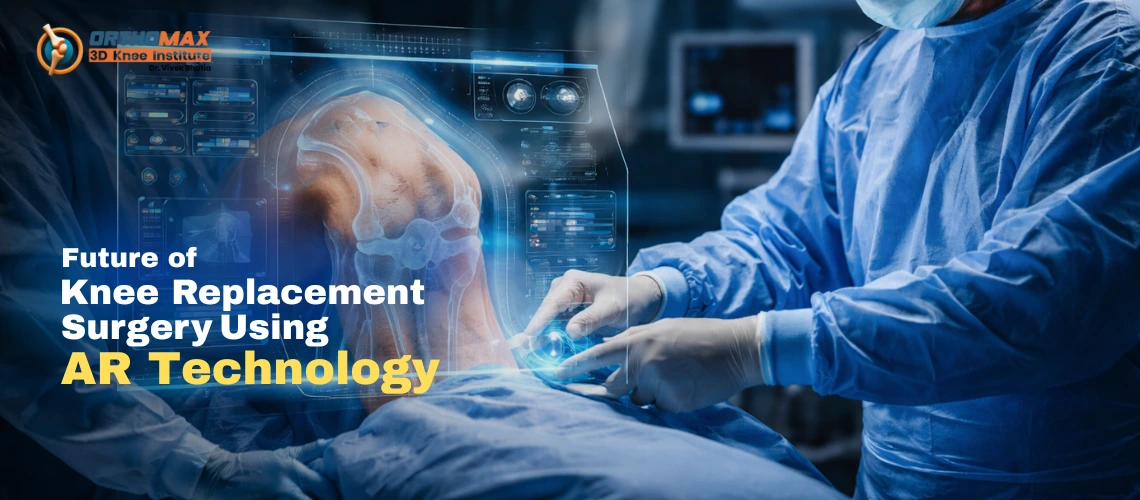
Today, AR technology in knee replacement surgery brings digital precision directly into the operating room. By overlaying real-time anatomical data onto the patient’s knee, surgeons can make more accurate decisions during every step of the procedure. This shift is defining the future of knee replacement surgery, making outcomes more predictable, personalized, and patient-centered.
This blog explores how AR technology is influencing surgical accuracy, patient recovery, training, and global accessibility—while answering common questions patients and healthcare providers ask.
What Is AR Technology in Knee Replacement Surgery?
Augmented Reality (AR) technology blends digital information with the real-world surgical environment. In knee replacement surgery, AR systems project 3D models of bones, ligaments, and implant positioning directly into the surgeon’s field of view.
Instead of constantly looking away at screens, surgeons can see:
- Real-time alignment guides
- Implant positioning data
- Bone-cutting depth and angles
This immersive guidance makes the future of knee replacement surgery using AR technology far more precise than traditional approaches.
Why AR Technology Matters for the Future of Knee Replacement Surgery
The success of knee replacement surgery depends heavily on accurate implant alignment. Even minor misalignments can lead to pain, stiffness, or early revision surgery. AR technology addresses this challenge directly.
Key Reasons AR Technology Is Transformational
- Enhances surgical accuracy
- Reduces human error
- Improves implant longevity
- Supports personalized treatment planning
As hospitals focus more on value-based care, the future of knee replacement surgery using AR technology aligns perfectly with better outcomes and long-term cost efficiency.
How AR Technology Improves Surgical Precision
Precision is at the heart of the future of knee replacement surgery. AR technology allows surgeons to visualize anatomical landmarks that are otherwise difficult to assess during surgery.
Real-Time Guidance During Surgery
AR overlays guide:
- Bone resections
- Implant size selection
- Ligament balancing
This level of accuracy minimizes guesswork and improves consistency across procedures, making AR technology essential to the future of knee replacement surgery.
Personalized Knee Replacement: A Major Advantage of AR Technology
No two knees are the same. AR technology enables highly personalized knee replacement surgery by integrating patient-specific imaging such as CT scans or MRIs.
Benefits of Personalization
- Customized implant positioning
- Better joint alignment
- Improved range of motion
Knee replacement surgery using AR technology is centered on tailoring procedures to individual anatomy rather than relying on standardized approaches.
Faster Recovery and Better Patient Outcomes
One of the most exciting aspects of the future of knee replacement surgery is how AR technology improves recovery.
How AR Technology Supports Recovery
- More accurate implant placement reduces tissue trauma
- Better alignment leads to improved joint function
- Fewer complications mean shorter hospital stays
Patients benefit from less pain, quicker rehabilitation, and longer-lasting implants—key indicators of successful knee replacement surgery.
AR Technology vs Traditional Knee Replacement Surgery
Understanding the difference helps explain why AR technology defines the future of knee replacement surgery.
Traditional Surgery Limitations
- Manual alignment tools
- Higher variability between surgeons
- Greater reliance on experience alone
AR-Enabled Surgery Advantages
- Data-driven decisions
- Real-time feedback
- Consistent surgical accuracy
This comparison highlights why AR technology is quickly becoming a standard in advanced orthopedic care.
Training the Next Generation of Surgeons with AR Technology
The future of knee replacement surgery also depends on how surgeons are trained. AR technology offers immersive learning experiences that traditional training methods cannot match.
AR in Surgical Education
- Realistic simulations without patient risk
- Step-by-step guided procedures
- Faster skill development
By improving training quality, AR technology ensures safer knee replacement surgery outcomes for future generations.
Cost Efficiency and Long-Term Healthcare Value
While AR technology requires initial investment, it delivers long-term economic benefits.
Financial Benefits of AR Technology
- Fewer revision surgeries
- Reduced hospital readmissions
- Improved operating room efficiency
From a healthcare system perspective, the future of knee replacement surgery using AR technology supports sustainable and cost-effective care.
Global Impact: Expanding Access to High-Quality Knee Replacement Surgery
AR technology has the potential to reduce global disparities in orthopedic care.
How AR Supports Global Healthcare
- Standardizes surgical quality
- Assists less-experienced surgeons
- Enables remote collaboration
The future of knee replacement surgery is not limited to advanced hospitals—it can reach underserved regions through AR-assisted guidance.
Challenges in Adopting AR Technology
Despite its promise, AR technology faces some challenges.
Key Barriers
- High setup costs
- Training requirements
- Integration with existing systems
However, as technology evolves, these barriers are expected to decrease, accelerating the future of knee replacement surgery worldwide.
Future Innovations in AR Knee Replacement Surgery
The future of knee replacement surgery using AR technology will likely integrate artificial intelligence and robotics.
What’s Coming Next?
- AI-driven predictive analytics
- Robotic-assisted AR surgeries
- Fully digital surgical planning ecosystems
These advancements will further enhance precision, safety, and personalization.
Is AR Technology Safe for Knee Replacement Surgery?
Yes. AR technology is designed to assist—not replace—surgeons. It enhances decision-making while maintaining full human control, making it a safe and reliable advancement in knee replacement surgery.
FAQs:
1. What is AR technology in knee replacement surgery?
AR technology overlays digital anatomical data onto the surgeon’s real-world view, improving accuracy during knee replacement surgery.
2. Is AR-assisted knee replacement surgery better than traditional surgery?
Yes, studies suggest improved alignment, fewer complications, and better long-term outcomes.
3. Does AR technology increase surgery time?
Initially, there may be a learning curve, but over time AR technology often reduces overall procedure time.
4. Is AR knee replacement surgery widely available?
Availability is growing rapidly, especially in advanced orthopedic centers.
5. Will AR technology reduce revision knee surgeries?
Improved accuracy significantly lowers the risk of implant failure and revision surgery.
Conclusion:
The future of knee replacement surgery using AR technology represents a shift toward smarter, safer, and more personalized orthopedic care. By combining real-time visualization, precision guidance, and data-driven planning, AR technology is redefining surgical excellence.
As adoption grows, patients can expect better outcomes, faster recovery, and longer-lasting knee implants. For surgeons and healthcare systems, AR technology is not just an innovation—it is the foundation of the future of knee replacement surgery.