
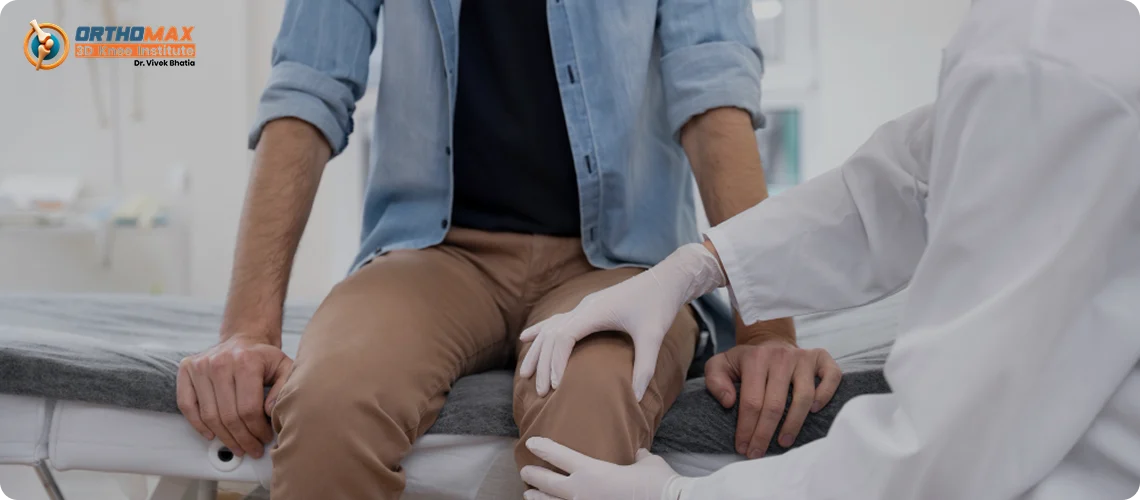
Knee Preservation or Replacement: Find the Best Treatment Path
Knee pain can make everyday activities uncomfortable and exhausting. When conservative treatments no longer provide enough relief, people often wonder: Should I go for knee preservation or consider knee replacement?
Choosing the right treatment path is not always straightforward. The ideal decision depends on your age, activity level, joint damage, lifestyle goals, and how advanced your knee condition is. This guide simplifies the process so you can confidently determine which option aligns with your long-term knee health.
Understanding the Difference
Before comparing both paths, let’s understand what each actually means.
What Is Knee Preservation?
Knee preservation focuses on saving your natural joint for as long as possible. It includes treatments that repair, regenerate, or realign your knee to delay or avoid knee replacement surgery.
Common knee preservation techniques include:
- Arthroscopy (to remove damaged cartilage or repair meniscus tears)
- Osteotomy (bone realignment to shift weight off damaged cartilage)
- Cartilage restoration procedures
- Biologics like PRP (Platelet-Rich Plasma) and stem-cell–based therapies
What Is Knee Replacement?
Knee replacement (also called knee arthroplasty) involves replacing the damaged bone and cartilage with artificial implants. It may be:
- Partial knee replacement (only damaged areas replaced)
- Total knee replacement (entire joint replaced)
Modern knee replacements—especially robotic and computer-assisted ones—are highly precise and long-lasting.
When Knee Preservation Is the Better Choice
Knee preservation is usually ideal when:
1. You’re Under 50 or Physically Active
Younger, active individuals benefit more from preserving their natural joint. It maintains mobility, avoids early implants, and supports sports activities.
2. Damage Is Limited
If the cartilage wear is mild to moderate or the tear is repairable, preservation therapies work well.
3. Misalignment Is the Root Cause
Sometimes knee pain happens because the knee joint is unevenly loaded.
In such cases, osteotomy can correct the alignment and extend joint life.
4. You Want Faster Recovery
Most preservation procedures, especially arthroscopy and PRP, involve shorter downtime and quicker return to normal activity.
5. You’re Not Ready for Joint Replacement
Preservation helps delay replacement by 5–10 years or more, depending on severity.
When Knee Replacement Becomes the Best Option
Although knee preservation works well for early and mid-stage damage, replacement becomes necessary when:
1. You Have Advanced Osteoarthritis
If bone-to-bone contact, severe cartilage loss, or deformity is present, replacement provides long-term relief.
2. Pain Interferes with Daily Life
When even simple activities—standing, walking, bending—become painful, replacement provides reliable improvement.
3. Other Treatments Fail
If physiotherapy, injections, medications, or arthroscopy no longer help, it’s time to consider surgery.
4. Sleep Is Affected Due to Pain
Night pain is a common indicator of end-stage joint disease.
5. Your Knee Is Losing Stability
If your knee regularly locks, gives way, or restricts your motion significantly, replacement restores stability.
Comparing the Two: Which Is Right for You?
| Factor | Knee Preservation | Knee Replacement |
| Age Suitability | Best for < 50 yrs | Best for > 55 yrs |
| Joint Damage Level | Mild–Moderate | Extensive / Severe |
| Recovery Time | Faster | Longer but more permanent |
| Activity Level | Great for sports/active lifestyle | Suitable for routine daily activities |
| Longevity | Delays replacement | Lasts 20–25 years |
| Pain Relief | Good | Excellent |
| Long-term Solution | Temporary | Permanent |
How to Decide Which Treatment Path Is Best for You
Here’s a decision-making framework that helps you choose confidently:
1. Identify Your Pain Pattern
- If pain occurs occasionally or after activity → Preservation suitable
- If pain is continuous, even at rest → Replacement likely needed
2. Assess Mobility Limitations
Difficulty in walking or climbing stairs typically indicates advanced damage.
3. Check X-ray & MRI Findings
Your imaging reports reveal how much cartilage is left, which helps clinicians recommend the correct path.
4. Consider Your Long-term Plans
Younger individuals wanting a natural-feeling knee may prefer preservation, while older adults often choose replacement for long-term relief.
5. Discuss All Options With an Expert
A skilled orthopaedician can guide you with a personalized assessment.
Benefits of Choosing the Right Treatment Path
If You Choose Knee Preservation:
- Maintains your natural joint
- Prevents early implant dependency
- Supports active lifestyle
- Less invasive procedures
- Faster healing
If You Choose Knee Replacement:
- Dramatic pain relief
- Improved mobility and function
- Long-term durability
- Better quality of life
- Modern robotic technology ensures precision
Frequently Asked Questions
1. How do I know if I still qualify for knee preservation?
You may qualify if your cartilage damage isn’t severe, your joint alignment is good, and you’re under 50–55. Only an MRI can confirm eligibility.
2. Is knee replacement my only option if I have arthritis?
Not always. Early-stage arthritis often responds well to preservation therapies like physiotherapy, PRP injections, or arthroscopy.
3. How long does a knee replacement last?
Modern implants typically last 20–25 years, sometimes longer with robotic precision.
4. Which option gives faster recovery?
Knee preservation procedures typically offer quicker recovery, but knee replacement provides more lasting relief.
5. Can biologics like PRP delay knee replacement?
Yes, PRP and stem-cell–based treatments can reduce pain and delay surgery, especially in mild to moderate knee arthritis.
Conclusion
Deciding between knee preservation and knee replacement isn’t about choosing one superior option—it’s about selecting the treatment that fits your knee’s current condition. If your joint still has healthy cartilage and you’re active, preservation can help maintain natural function longer. But when damage is severe and pain limits daily life, knee replacement offers more dependable relief and mobility. A proper evaluation by an orthopaedic expert will guide you toward the approach that ensures long-term comfort and joint health.