
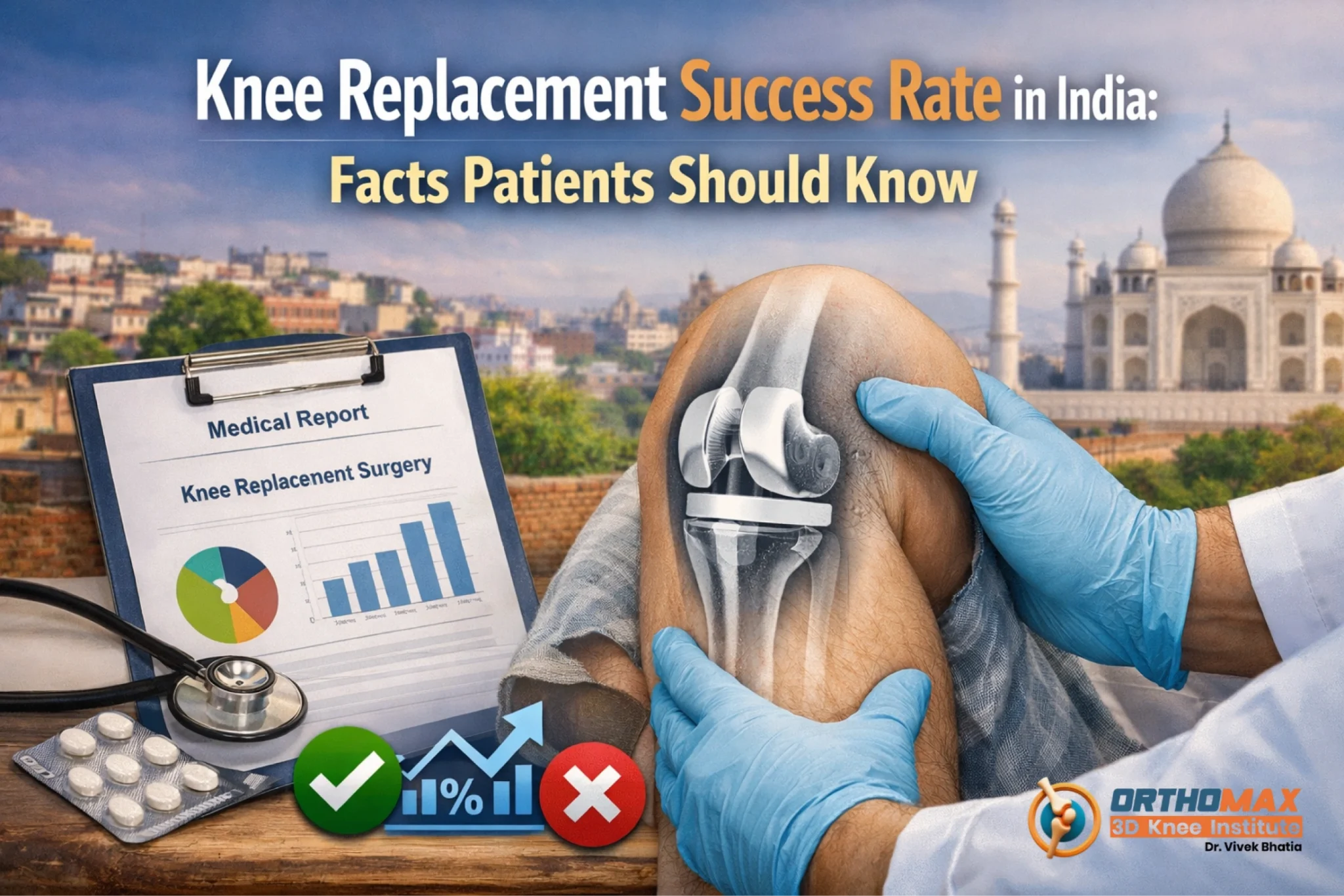
Knee Replacement Success Rate in India: Facts Patients Should Know
Knee replacement surgery is one of the most successful orthopedic procedures available today. Many patients considering the procedure want to know the knee replacement surgery success rate before making a decision. Clinical studies show that 90–95% of knee replacement surgeries are successful, providing long-term pain relief and improved mobility for patients suffering from arthritis or severe joint damage. Understanding the success rate of total knee replacement, recovery expectations, and potential risks can help patients make informed healthcare decisions.
Knee pain caused by arthritis, injury, or age-related wear can severely impact daily life. For many patients, surgery becomes the best option to restore mobility and reduce chronic pain. One of the most common questions patients ask is about the knee replacement surgery success rate. Understanding the success rate of knee replacement, recovery expectations, and long-term outcomes can help patients make confident healthcare decisions.
This guide explains the success rate of total knee replacement, factors that influence surgical outcomes, and what patients should expect after surgery.
Understanding Knee Replacement Surgery
Knee replacement surgery, also known as total knee arthroplasty, involves replacing damaged cartilage and bone in the knee joint with artificial implants made of metal and medical-grade plastic.
The procedure is usually recommended for patients suffering from:
- Severe osteoarthritis
- Rheumatoid arthritis
- Chronic knee pain and stiffness
- Reduced mobility affecting daily activities
- Knee deformity or joint damage
By replacing the damaged joint surfaces, the surgery restores movement and significantly reduces pain. Due to advancements in medical technology, the knee replacement surgery success rate has improved significantly over the past two decades.
Knee Replacement Surgery Success Rate in India
India has become a global destination for orthopedic procedures because of skilled surgeons, modern hospitals, and affordable treatment costs.
According to orthopedic research and reports from organizations such as the Indian Orthopaedic Association and the Indian Society of Hip and Knee Surgeons, total knee replacement is considered one of the most successful orthopedic procedures. Clinical studies show that the success rate typically ranges between 90% and 95%, with most patients experiencing significant pain relief and improved mobility.
Key statistics include:
- 90–95% of patients report pain relief after surgery
- More than 85% regain normal walking ability
- Knee implants can last 15–25 years in most cases
- Over 150,000 knee replacements are performed annually in India
These numbers highlight the high success rate of total knee replacement and why it remains one of the most commonly recommended joint replacement surgeries.
Knee Replacement Surgery Success Rate Overview
Factor | Statistics |
Overall success rate | 90–95% |
Pain relief rate | 90%+ |
Implant lifespan | 15–25 years |
Recovery time | 3–12 months |
Annual surgeries in India | 150,000+ |
Factors That Influence Knee Replacement Surgery Success Rate
Although the overall knee replacement surgery success rate is high, several factors can influence the final outcome.
1. Age and Overall Health
Patients between 50 and 75 years old typically experience the best outcomes. However, younger patients may also benefit if they maintain a healthy lifestyle and follow rehabilitation protocols. Chronic conditions such as diabetes, obesity, or heart disease can affect healing and recovery.
2. Surgeon Experience
The expertise of the orthopedic surgeon plays a critical role in the success rate of total knee replacement. Surgeons who perform a high number of knee replacements each year often achieve better outcomes.
3. Type of Implant Used
Modern knee implants are designed to last longer and mimic natural knee movement. High-quality implants contribute to the long-term knee replacement surgery success rate.
4. Rehabilitation and Physiotherapy
Physical therapy after surgery is essential for regaining strength and mobility. Patients who follow their rehabilitation plan strictly tend to achieve better results.
5. Surgical Technology
Robotic-assisted knee replacement and computer-guided surgery are improving precision and increasing the success rate of total knee replacement.
How Long Does a Knee Replacement Last?
Another important question patients ask is how long the artificial joint will function properly.
Studies show that:
- A systematic review published in The Lancet (2019) analyzing national joint registries found that about 90–95% of knee replacements survive 15 years.
- The 2019 Lancet systematic review of joint replacement registries found that about 82% of knee replacements were still functioning after 25 years, with survival rates above 80% at 20 years.
- Large registry studies published in The Lancet have shown that approximately 80% of knee replacements may still function after 25 years.
This long lifespan contributes to the high knee replacement surgery success rate, especially when patients maintain a healthy lifestyle.
Factors that help implants last longer include:
- Maintaining a healthy body weight
- Avoiding high-impact activities
- Following physiotherapy recommendations
- Attending regular follow-up appointments
Recovery Timeline After Knee Replacement Surgery
Recovery varies from patient to patient, but most people follow a similar timeline.
First Week
Patients typically begin walking with assistance within 24–48 hours after surgery. Physiotherapy starts early to improve flexibility and prevent stiffness.
3–6 Weeks
Most patients regain basic mobility and can walk with minimal support. Pain gradually decreases, and daily activities become easier.
3 Months
By this time, many patients can walk comfortably, climb stairs, and resume light activities.
6 Months to 1 Year
Full recovery may take up to 12 months, depending on age, fitness level, and rehabilitation efforts.
Following the recovery plan is crucial for achieving the best knee replacement surgery success rate.
Benefits of Total Knee Replacement
The high success rate of total knee replacement is largely due to the life-changing benefits the procedure offers.
Major benefits include:
- Significant pain relief
- Improved joint movement
- Better quality of life
- Ability to walk and perform daily activities
- Increased independence in older adults
For many patients suffering from severe arthritis, knee replacement surgery restores mobility and reduces reliance on pain medications.
Risks and Complications to Consider
Although the knee replacement surgery success rate is high, every surgical procedure carries some risk.
Possible complications include:
- Infection
- Blood clots
- Implant loosening
- Knee stiffness
- Nerve damage (rare)
Fortunately, these complications occur in less than 5% of cases, and most are manageable with proper medical care.
Choosing an experienced surgeon and following post-surgery instructions can significantly reduce risks.
Advances Improving Knee Replacement Success Rate
Medical innovation continues to improve the success rate of total knee replacement.
Some modern advancements include:
1. Robotic-Assisted Knee Replacement
Robotic technology allows surgeons to perform highly precise bone cuts and implant placement, which improves surgical accuracy.
2. Minimally Invasive Surgery
Smaller incisions reduce tissue damage and lead to faster recovery.
3. Advanced Implant Materials
Modern implants use highly durable materials designed to mimic natural joint movement and last longer.
These advancements are contributing to the increasing knee replacement surgery success rate worldwide.
When Should You Consider Knee Replacement Surgery?
Doctors typically recommend surgery when conservative treatments no longer provide relief.
Signs that you may need knee replacement include:
- Severe knee pain even at rest
- Difficulty walking or climbing stairs
- Knee stiffness limiting movement
- Chronic swelling and inflammation
- Poor response to medication or physiotherapy
Consulting an orthopedic specialist can help determine whether surgery is the right option.
FAQs
What is the knee replacement surgery success rate?
The knee replacement surgery success rate is typically between 90% and 95%, meaning most patients experience reduced pain and improved mobility.
What is the success rate of total knee replacement?
The success rate of total knee replacement is very high, with more than 85–90% of patients reporting long-term improvement in joint function and quality of life.
How long does it take to recover from knee replacement surgery?
Most patients recover basic mobility within 6 weeks, while full recovery can take 6–12 months depending on rehabilitation and health conditions.
How long do knee implants last?
Modern knee implants usually last 15–25 years, and sometimes even longer with proper care.
Is knee replacement surgery safe?
Yes, it is considered a safe procedure when performed by experienced orthopedic surgeons, with a high knee replacement surgery success rate and low complication risk.
Conclusion
Knee replacement surgery has become one of the most successful orthopedic procedures available today. With a knee replacement surgery success rate of around 90–95%, most patients experience significant pain relief, improved mobility, and a better quality of life.
The success rate of total knee replacement depends on factors such as surgeon expertise, patient health, rehabilitation, and modern surgical techniques. When performed by experienced specialists and followed by proper physiotherapy, the results can last for decades.
For patients struggling with severe knee pain and limited mobility, knee replacement surgery can offer a reliable and long-term solution.