
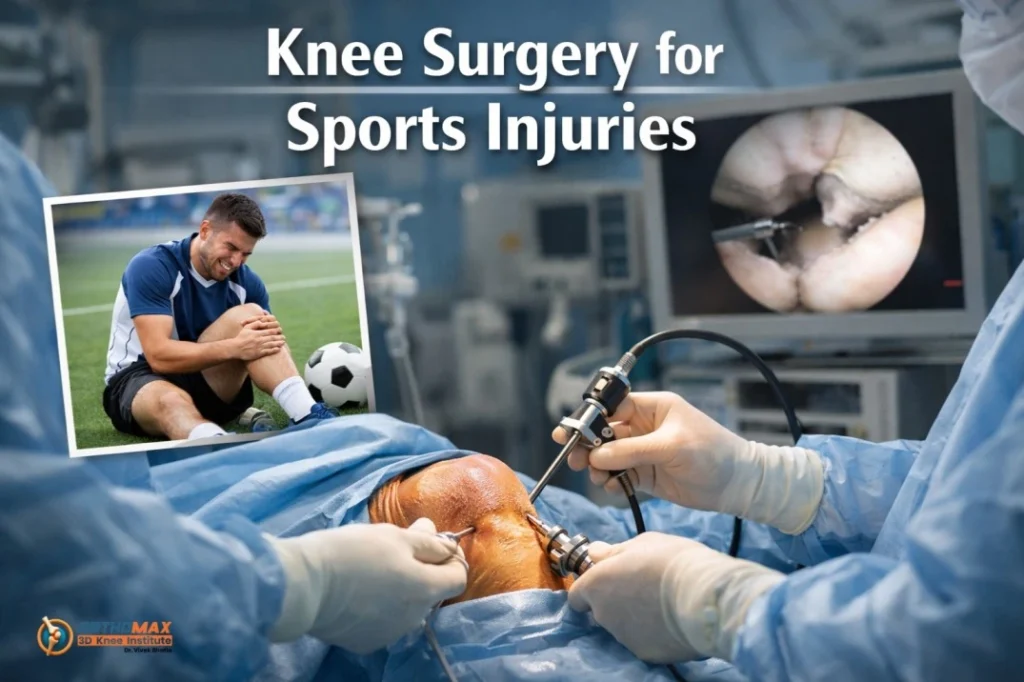
Sports Knee Surgery Guide India: Recovery, Cost & Results
Sports injuries are increasingly common in India, especially among athletes, gym-goers, and even recreational players. When conservative treatments fail, knee surgery for sports injuries becomes the most effective solution to restore mobility and performance. Whether it’s an ACL tear, meniscus damage, or ligament injury, understanding what to expect can help you prepare both physically and mentally.
This guide explains everything—from diagnosis to recovery—while also addressing concerns like knee pain after sports treatment, costs, and outcomes.
Why Knee Surgery for Sports Injuries Becomes Necessary
Not every sports injury requires surgery. However, in cases of severe ligament tears or cartilage damage, knee surgery for sports injuries is often recommended.
Common conditions requiring surgery:
- ACL (Anterior Cruciate Ligament) tear
- Meniscus tear
- PCL or MCL injuries
- Cartilage damage
- Recurrent knee instability
Data Insight: Studies show that over 60–70% of athletes with complete ACL tears require surgical intervention to return to their previous activity levels.
If untreated, these injuries can lead to chronic knee pain after sports treatment and long-term joint degeneration.
Types of Knee Surgery for Sports Injuries
Understanding the type of procedure helps reduce anxiety and improves decision-making.
1. Arthroscopic Knee Surgery
A minimally invasive procedure using small incisions and a camera.
- Faster recovery
- Less pain
- Common in meniscus and ligament repairs
2. ACL Reconstruction Surgery
Most common procedure for athletes.
- Uses graft (from patient or donor)
- Recovery: 6–9 months
- High success rate (~85–90%)
3. Meniscus Repair or Removal
Depending on severity:
- Repair preserves knee function
- Removal (meniscectomy) offers faster relief
4. Ligament Repair Surgery
Used for MCL, PCL injuries.
Each type of knee surgery for sports injuries is selected based on injury severity, age, and activity level.
What to Expect Before Knee Surgery
Preparation plays a crucial role in surgical success.
Pre-surgery steps:
- MRI or X-ray diagnosis
- Blood tests and fitness evaluation
- Consultation with orthopedic surgeon
- Physiotherapy (prehabilitation)
Pro Tip: Pre-surgery strengthening exercises can improve post-surgery recovery by up to 30% faster mobility regain.
The Procedure: Step-by-Step Overview
Here’s a simplified breakdown of what happens during knee surgery for sports injuries:
- Anesthesia: Local, spinal, or general
- Incision: Small cuts for arthroscopy
- Repair/Reconstruction: Ligament or cartilage repair
- Closure: Sutures and bandaging
Duration: Typically 1–2 hours depending on complexity
Most procedures are same-day discharge, especially arthroscopic surgeries.
Recovery Timeline: What Happens After Surgery
Recovery is one of the biggest concerns for patients.
Immediate Recovery (0–2 Weeks)
- Swelling and mild pain
- Use of crutches
- Start light physiotherapy
Mid Recovery (3–12 Weeks)
- Gradual mobility improvement
- Muscle strengthening
- Reduced knee pain after sports treatment
Full Recovery (3–9 Months)
- Return to sports
- Full strength restoration
Fact: Around 80–90% of patients return to sports after proper rehabilitation.
Managing Knee Pain After Sports Treatment
Experiencing knee pain after sports treatment is common but manageable.
Causes:
- Inflammation
- Muscle weakness
- Improper rehabilitation
Solutions:
- Regular physiotherapy
- Ice therapy and medication
- Strength training
- Avoiding overuse
Persistent pain beyond 3 months should be evaluated by a specialist.
Cost of Knee Surgery for Sports Injuries in India
India is a preferred destination due to affordable healthcare.
Average cost range:
- Arthroscopy: ₹80,000 – ₹2,00,000
- ACL Reconstruction: ₹1,50,000 – ₹3,50,000
- Advanced procedures: ₹3,00,000+
Compared to Western countries, India offers 60–70% lower costs with similar success rates.
Factors affecting cost:
- Hospital type (private/government)
- Surgeon expertise
- City (Delhi, Chandigarh, Mumbai)
- Implant quality
Risks and Complications (Rare but Possible)
Although knee surgery for sports injuries is generally safe, risks include:
- Infection (less than 1%)
- Blood clots
- Stiffness
- Persistent knee pain after sports treatment
Choosing an experienced surgeon significantly reduces these risks.
Success Rate and Long-Term Outcomes
Modern techniques have improved outcomes drastically.
Success rates:
- ACL surgery: 85–95%
- Arthroscopy: 90%+ patient satisfaction
Long-term benefits:
- Improved mobility
- Pain-free movement
- Return to sports performance
When Can You Return to Sports?
Returning too early can cause re-injury.
General timeline:
- Light activity: 6–8 weeks
- Running: 3–4 months
- Competitive sports: 6–9 months
Athletes must complete rehabilitation before returning.
Expert Tips for Faster Recovery
- Follow physiotherapy strictly
- Maintain a healthy diet (protein + calcium)
- Avoid smoking and alcohol
- Use knee braces if recommended
- Track progress regularly
FAQs
1. How long does knee surgery for sports injuries take to heal?
Most patients recover within 3 to 9 months, depending on the type of surgery and rehabilitation.
2. Is knee surgery for sports injuries safe?
Yes, it is generally safe with a success rate of 85–95%, especially when performed by experienced surgeons.
3. What causes knee pain after sports treatment?
It can be due to inflammation, weak muscles, or improper physiotherapy. Regular rehab helps reduce it.
4. Can I walk after knee surgery?
Yes, patients usually start walking with support within 1–2 weeks after surgery.
5. What is the cost of knee surgery in India?
It ranges from ₹80,000 to ₹3,50,000, depending on the procedure and hospital.
Conclusion
Choosing knee surgery for sports injuries can be life-changing for athletes and active individuals. With advanced medical technology in India, high success rates, and affordable costs, patients can confidently opt for treatment.
While knee pain after sports treatment may occur temporarily, proper rehabilitation ensures a full recovery and return to an active lifestyle. Always consult an experienced orthopedic specialist to ensure the best outcome.