
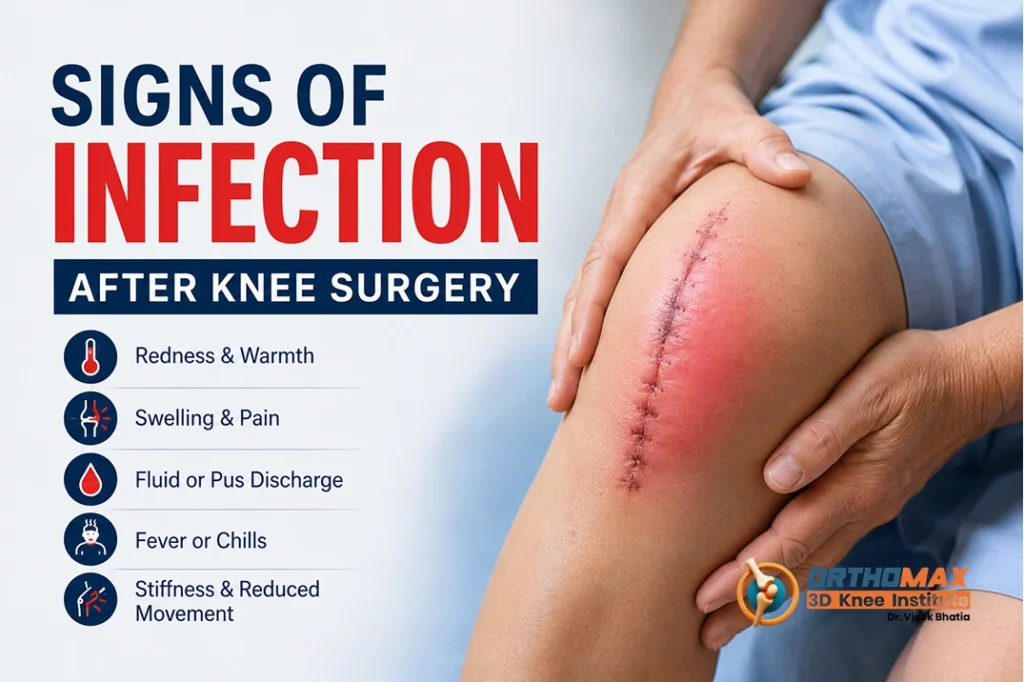
Signs of Infection After Knee Surgery
Recovering from knee surgery can be a life-changing experience, especially for patients who regain mobility and relief from chronic pain. However, complications can arise if proper care is not taken. One of the most serious concerns patients must watch for is knee surgery infection symptoms, which, if ignored, can delay recovery and lead to further medical complications.
In India, knee replacement surgeries are increasing rapidly, with over 1.5 lakh procedures performed annually. While success rates are high, studies indicate that infection after knee replacement occurs in approximately 1–2% of cases. Although this percentage is relatively low, the consequences can be severe if not detected early. This makes awareness of knee surgery infection symptoms critical for every patient undergoing surgery.
This detailed guide explains the early signs, causes, diagnosis, treatment, and prevention strategies to help you identify and manage infection after knee replacement effectively.
Complete Guide to Knee Replacement Surgery in India
Knee replacement surgery has become one of the most effective solutions for individuals suffering from chronic knee pain, arthritis, or joint damage. In India, the procedure is widely accessible, affordable, and performed by highly experienced orthopedic surgeons using advanced medical technology. This complete guide to knee replacement surgery in India covers everything you need to know—from types of procedures and costs to recovery, risks, and expected outcomes—helping you make an informed decision for better mobility and quality of life.
What Are Knee Surgery Infection Symptoms?
Recognizing knee surgery infection symptoms early is essential for preventing complications. These symptoms may appear shortly after surgery or even weeks later, depending on the type of infection.
Common Knee Surgery Infection Symptoms:
- Persistent or increasing pain around the knee
- Swelling that does not improve over time
- Redness and warmth near the surgical site
- Fever or chills
- Fluid or pus discharge from the incision
- Limited mobility or stiffness
While mild discomfort is normal after surgery, worsening symptoms are a clear indication that something is wrong. In many cases, these signs point toward an infection after knee replacement that requires immediate medical attention.
Early Signs of Infection After Knee Replacement
Early detection plays a crucial role in successful treatment. Many patients overlook initial warning signs, assuming they are part of the normal healing process.
Key Early Indicators:
- Unusual warmth: A slight increase in temperature is normal, but excessive warmth may signal infection
- Delayed healing: If the incision is not closing properly, it could be infected
- Low-grade fever: Even mild fever can indicate early infection
- Fatigue and weakness: Your body may be fighting infection internally
Monitoring these early knee surgery infection symptoms can help prevent the condition from worsening into a severe infection after knee replacement.
Causes of Infection After Knee Replacement
Understanding what causes infection can help reduce risks and improve outcomes.
Common Causes:
- Bacterial contamination during or after surgery
- Poor wound care and hygiene
- Underlying health conditions like diabetes or obesity
- Weak immune system
- Prolonged surgical procedures
- Post-surgery exposure to unclean environments
In India, patients with uncontrolled diabetes are particularly vulnerable to knee surgery infection symptoms, making pre-operative health management essential.
Types of Knee Surgery Infections
Not all infections are the same. Doctors classify them based on severity and timing.
1. Superficial Infection
- Affects only the skin
- Easier to treat with antibiotics
- Includes mild knee surgery infection symptoms like redness and irritation
2. Deep Infection
- Affects tissues and implants
- Requires surgical intervention
- Common in advanced infection after knee replacement cases
3. Late Infection
- Occurs months or years after surgery
- Often spreads from infections elsewhere in the body
Understanding these types helps in timely diagnosis and treatment.
When Should You See a Doctor?
Many patients delay seeking medical advice, which can worsen the condition. You should consult a doctor immediately if you notice:
- High fever (above 38°C)
- Severe or worsening pain
- Continuous discharge from the wound
- Sudden swelling after initial recovery
- Difficulty walking or bending the knee
Ignoring knee surgery infection symptoms can lead to complications such as implant failure, requiring additional surgery.
Diagnosis of Knee Surgery Infection
Accurate diagnosis is crucial for effective treatment. Doctors use a combination of clinical evaluation and medical tests.
Diagnostic Methods Include:
- Blood tests (CRP and ESR levels) to detect inflammation
- Joint fluid aspiration to identify bacteria
- Imaging tests such as X-rays or MRI
- Wound culture tests
These tests help confirm whether symptoms are due to normal recovery or an infection after knee replacement.
Treatment Options for Infection After Knee Replacement
Treatment depends on how early the infection is detected and how severe it is.
1. Antibiotics
Used in early-stage infections to control bacterial growth. Treatment may last several weeks.
2. Debridement (Surgical Cleaning)
Involves removing infected tissue while keeping the implant intact.
3. Revision Surgery
In severe cases, the implant may need to be removed and replaced. This is common in advanced infection after knee replacement cases.
4. Two-Stage Surgery
A temporary implant is placed before inserting a new one after infection is cleared.
Early detection of knee surgery infection symptoms significantly reduces the need for complex procedures.
Recovery Timeline After Infection
Recovery depends on the severity of infection and treatment approach:
- Mild infection: 2–6 weeks
- Moderate infection: 6–12 weeks
- Severe infection: 3–6 months or longer
Patients recovering from infection after knee replacement must follow strict medical advice, including physiotherapy and medication.
Prevention Tips: How to Avoid Knee Surgery Infections
Prevention is the most effective way to ensure a smooth recovery.
Before Surgery:
- Manage diabetes and blood pressure
- Maintain a healthy weight
- Choose a trusted hospital and surgeon
After Surgery:
- Keep the surgical area clean and dry
- Follow medication schedules strictly
- Avoid touching or scratching the wound
- Attend regular follow-up visits
By following these steps, you can significantly reduce the risk of knee surgery infection symptoms.
FAQs
1. What are the most common knee surgery infection symptoms?
The most common symptoms include pain, swelling, redness, fever, and discharge from the wound.
2. How common is infection after knee replacement?
It occurs in about 1–2% of patients but may be higher in high-risk individuals.
3. Can infection after knee replacement be cured?
Yes, with timely treatment using antibiotics or surgery, most infections can be treated successfully.
4. How long does it take to recover from knee infection?
Recovery can take anywhere from a few weeks to several months, depending on severity.
5. Who is at higher risk of knee surgery infection symptoms?
Patients with diabetes, obesity, or weak immunity are at higher risk.
Conclusion
Understanding and identifying knee surgery infection symptoms is essential for a safe and successful recovery journey after any type of knee surgery. While infection after knee replacement is relatively uncommon, it should never be taken lightly, as even minor symptoms can quickly progress into serious complications if ignored. Being aware of early warning signs such as persistent pain, swelling, redness, or fever allows patients to take timely action and avoid long-term damage to the joint or implant.
It is equally important to follow all post-operative care instructions after knee surgery, maintain proper hygiene, and attend scheduled follow-up appointments with your doctor. Patients with underlying conditions like diabetes or weakened immunity should be especially cautious, as they are at a higher risk of developing infections. Simple preventive measures, when combined with medical guidance, can significantly reduce the chances of complications.
In today’s healthcare landscape, where advanced knee surgery techniques have improved outcomes, patient awareness still plays a crucial role in recovery. Prompt diagnosis and early treatment of knee surgery infection symptoms can improve recovery success rates and minimize the need for additional procedures. Ultimately, staying informed, proactive, and attentive to your body’s signals will help ensure a smoother recovery and long-term mobility after knee surgery.