
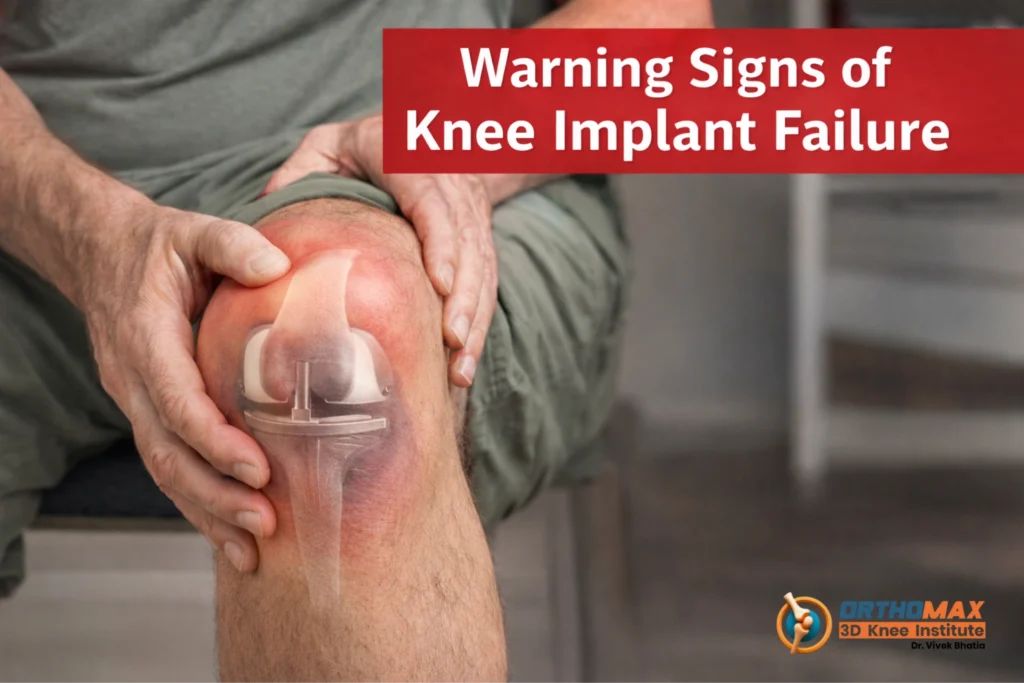
Why Recognizing Knee Implant Failure Symptoms Matters
Knee replacement surgery is widely considered one of the most successful orthopedic procedures, with over 90–95% success rates lasting 15–20 years. However, in some cases, complications can arise. Recognizing knee implant failure symptoms early can help prevent severe damage, reduce pain, and avoid complex revision surgeries.
If you’re experiencing discomfort after surgery, understanding the signs of knee replacement failure is crucial. Early detection can mean the difference between simple treatment and major corrective procedures.
Why Early Detection Matters
After knee replacement surgery, it’s common to feel some discomfort during recovery. However, not all pain or symptoms are part of normal healing. Many patients ignore early warning signs, assuming they will improve with time—but this delay can sometimes make the condition worse.
Early detection allows doctors to identify small issues before they turn into serious complications. When problems like implant loosening, infection, or alignment issues are caught early, they can often be managed with simple treatments instead of major surgery.
Acting early can help you:
- Prevent worsening damage: Minor issues can progress if left untreated, affecting the implant and surrounding tissues.
- Reduce pain and complications: Early treatment helps control symptoms before they become severe.
- Avoid costly revision surgery: In many cases, timely care can eliminate the need for a second surgery.
- Maintain long-term mobility: Addressing problems early ensures better movement and quality of life.
In simple terms, the sooner you recognize that something isn’t right, the easier, safer, and more affordable your treatment will be.
Common Knee Implant Failure Symptoms
In India and globally, knee replacements are increasing rapidly due to aging populations and lifestyle factors. Studies show:
- Around 5–10% of knee replacements fail within 10–15 years
- Infection-related failures occur in 1–2% of cases
- Implant loosening is the most common cause of failure
These numbers highlight why monitoring knee implant failure symptoms is essential.
1. Persistent or Increasing Pain
Mild pain is expected during recovery. However, persistent or worsening pain months or years later is one of the earliest signs of knee replacement failure.
Red flags:
- Pain that increases over time
- Pain during walking or weight-bearing
- Night pain that disrupts sleep
This could indicate:
- Implant loosening
- Infection
- Wear and tear of the prosthesis
2. Swelling That Doesn’t Go Away
Some swelling is normal after surgery, but chronic swelling is not.
Warning signs:
- Swelling lasting more than 6 months
- Sudden swelling after years of stability
- Warmth around the joint
Persistent swelling is a key knee implant failure symptom, often linked to:
- Infection
- Fluid buildup
- Implant instability
3. Stiffness and Reduced Mobility
If your knee feels stiff or difficult to move, it may indicate a problem.
Signs to watch:
- Difficulty bending or straightening the knee
- Reduced range of motion over time
- Feeling of tightness or locking
This is one of the most overlooked signs of knee replacement failure, especially in older patients.
4. Clicking or Grinding Sounds
Occasional sounds may happen, but persistent noises can signal a problem.
Concerning sounds:
- Clicking or popping
- Grinding sensation
- Feeling something “moving” inside
These knee implant failure symptoms may suggest:
- Misalignment
- Worn-out implant parts
- Loose components
5. Instability or Knee Giving Way
A stable knee is the primary goal of replacement surgery. If your knee feels unstable, take it seriously.
Key indicators:
- Knee buckling while walking
- Difficulty standing for long periods
- Feeling like the knee may collapse
Instability is a strong indicator of signs of knee replacement failure, often caused by ligament imbalance or implant loosening.
6. Signs of Infection
Infection is one of the most serious causes of failure.
Symptoms include:
- Fever
- Redness around the knee
- Drainage from the surgical site
- Severe pain with swelling
In India, infection risks can slightly increase due to environmental factors and post-surgical care challenges. Early detection of these knee implant failure symptoms is critical.
7. Decreased Function Over Time
Your knee should improve after surgery—not worsen.
Warning signs:
- Difficulty walking after initial recovery
- Reduced ability to climb stairs
- Loss of strength in the joint
These gradual signs of knee replacement failure often go unnoticed until the condition worsens.
What Causes Knee Implant Failure?
Understanding the causes helps you connect symptoms early:
Common causes:
- Implant loosening (most common)
- Infection
- Wear and tear over time
- Improper alignment during surgery
- Excess body weight (BMI >30 increases risk by 2–3x)
- High-impact activities
What to Do If You Notice These Symptoms
If you experience any warning signs, don’t panic—but don’t delay either.
Take these steps immediately:
- Reduce strain on the knee
- Avoid high-impact activities
- Use ice to control swelling
- Consult an orthopedic specialist
Early action can often prevent major complications.
When Should You See a Doctor?
Seek medical attention immediately if you notice:
- Persistent knee implant failure symptoms
- Sudden increase in pain or swelling
- Signs of infection
- Instability or inability to walk
Early consultation can prevent complete implant failure.
How Doctors Identify Implant Failure
Doctors may recommend:
- X-rays to check alignment and loosening
- MRI or CT scans for detailed imaging
- Blood tests to detect infection
- Joint aspiration to analyze fluid
Accurate diagnosis is key to addressing signs of knee replacement failure effectively.
Treatment Options
The treatment for knee implant failure depends largely on how early the problem is identified and how severe it has become. In many cases, if symptoms are detected early, doctors can manage the condition without surgery. However, advanced complications may require a more permanent solution.
1. Non-Surgical Options
When the issue is mild or in its early stages, doctors usually start with conservative treatments. These aim to reduce pain, improve function, and slow down further damage.
a) Physiotherapy
Helps strengthen the muscles around the knee, improve stability, and reduce stress on the implant. It can also improve movement and decrease stiffness.
- b) Pain management
Includes medications or therapies to control discomfort, allowing you to stay active and continue rehabilitation.
c) Anti-inflammatory medications
These help reduce swelling and inflammation, which are common causes of pain and restricted movement.
These methods are most effective when the problem is identified early and the implant is still stable.
2. Surgical Option
If the implant is severely damaged, loose, infected, or not functioning properly, surgery may be required.
Revision knee replacement
This is a procedure where the existing implant is repaired or replaced with a new one. It is more complex than the original surgery and requires careful planning.
Surgery is usually recommended only when non-surgical treatments are no longer effective.
Cost in India
The cost of revision knee replacement in India can vary depending on factors like hospital, surgeon expertise, and complexity of the case.
- Estimated cost: ₹2.5 lakh to ₹6 lakh
How to Prevent Knee Implant Failure
While not all cases are preventable, you can reduce your risk by following a few simple steps.
- Maintain a healthy weight
- Avoid high-impact activities
- Follow physiotherapy regularly
- Attend routine check-ups
- Monitor early symptoms
Prevention and awareness go hand in hand.
Frequently Asked Questions
1. How long does a knee implant last?
Most knee implants last 15–20 years, but lifestyle and health factors can affect longevity.
2. What are the most common knee implant failure symptoms?
The most common symptoms include pain, swelling, stiffness, instability, and infection signs.
3. Can knee implant failure be treated without surgery?
In early stages, yes. Physiotherapy and medication may help. Severe cases require revision surgery.
4. Is knee replacement failure common in India?
It is relatively uncommon but rising due to increased surgeries. Around 5–10% cases may fail over time.
5. What happens if a knee implant fails?
You may need revision surgery to replace or fix the implant.
Conclusion
Recognizing knee implant failure symptoms at an early stage is crucial for maintaining long-term mobility and avoiding complex medical interventions. While knee replacement surgery is highly successful, it is not completely risk-free. Symptoms like persistent pain, swelling, stiffness, instability, or unusual noises should never be ignored. Understanding the signs of knee replacement failure empowers you to take timely action. Early diagnosis can often prevent severe complications and reduce the need for revision surgery. Regular follow-ups, proper physiotherapy, and a healthy lifestyle—including following the best diet after knee replacement surgery—play a major role in extending the life of your knee implant.
If something feels off, trust your instincts and consult an orthopedic specialist. Acting early not only protects your investment in surgery but also ensures a better quality of life in the long run.